

Conference Chair Factory Crafting Ergonomic Seating for Modern Venues
2026-11-16
In an era where venues demand more than just filling seats, the humble conference chair has become a silent ambassador of comfort and sophistication. Behind every seamless event lies a manufacturer obsessed with the subtle science of posture—enter OFCJNS, a conference chair factory that treats ergonomic seating not as a feature, but as a craft. From boardrooms to auditoriums, their designs are rewriting what it means to sit through a keynote without squirming. But what truly sets this factory apart? The answer might just reshape how you spec seating for your next modern venue.
A Chair Built to Fade Into the Background
Its quiet shape doesn't ask for attention. The backrest slopes just enough to rest against a wall without blocking sightlines; the legs taper so they read as a soft shadow rather than a solid block. The seat cushion has no piping and no decorative seam, only a clean plane meant to accept whoever sits down.
Color and texture stay in a deliberately narrow band. Matte oak or ash, unpolished metal, and upholstery in oat, clay, or heathered wool all work at the edge of notice. Nothing reflects a bright highlight, and no contrasting stitch pulls the eye. When the chair is empty, it almost recedes into the floor and wall around it.
That effect is not an accident. It leaves visual space for people, lamps, rugs, and the actual life of a room. The chair holds a person well but never competes with the conversation, the window light, or the clutter of daily routines. It is there when needed and nearly invisible when not.
The Anatomy of All-Day Support
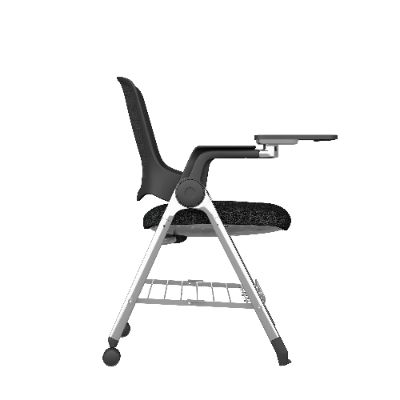
True all-day support rarely comes from a single feature—it emerges from how different parts of a system quietly hand off to one another. The foundation sits in adaptive load distribution, where pressure moves away from tired zones before you even notice the fatigue. This isn't about adding more cushioning or firmness; it's about sequencing the response so your body never has to brace against a sudden drop in reinforcement.
Layered beneath that is material memory that respects your movement patterns. Instead of forcing a fixed posture, the support follows micro-shifts in weight and position, giving way just enough at the edges while holding firm through the center. That balance—soft at the perimeter, resolute at the core—is what keeps you from waking up stiff or sliding into awkward angles during long hours of use.
Finally, all-day support depends on silent recovery windows. Brief moments of reduced pressure allow tissue to rebound, so the same level of assistance remains effective hour after hour. When these elements work in concert, support stops being a static property and becomes a rhythm—one that adapts to your body rather than demanding your body adapt to it.
Factory Floor Lessons for Modern Auditoriums
The hum of a factory floor rarely gets credit for shaping concert halls, but the discipline behind it offers surprising blueprints. Lean manufacturing’s obsession with eliminating wasted motion translates directly into auditorium circulation design—wider vomitories, staggered seat rows, and uncluttered aisles keep crowds moving with the same quiet purpose as a well-tuned assembly line. Instead of mysterious bottlenecks near exits, you get a layout that feels almost choreographed, where every step from lobby to seat follows a path someone deliberately cleared.
Acoustically, factories teach restraint. Heavy machinery enclosures and sound-dampening panels were never about luxury; they were about protecting workers’ hearing and keeping noise from bleeding across work zones. Modern auditoriums borrow that logic with perforated metal baffles, dense rubber underlayment, and sealed door assemblies that isolate a rehearsal room from the main stage. It’s less about adding plush velvet and more about controlling what sound escapes where—an approach that feels engineered rather than decorated.
Then there’s the material palette. Polished concrete floors, exposed steel trusses, and bolted joints came from industrial sheds long before they became architectural clichés. Used with intent, they give an auditorium a sense of durability and honest construction. The trick is not to fetishize the rawness, but to remember why factories chose those finishes: they take abuse, need little upkeep, and don’t pretend to be something they’re not. That same logic keeps a performance space from feeling fragile after a decade of foot traffic.
Shaping Seats Around Unusual Layouts
Unusual room shapes often defeat standard seating rows. Angled walls, support columns, low soffits, and curved balconies leave dead zones where fixed chairs either block movement or waste space. Rather than forcing a rectangular grid into these spaces, the seating plan should start from the room’s actual lines. Measure the clear floor, map sightlines to the stage or screen, and mark where foot traffic needs to pass. That gives you the true usable perimeter, which is rarely a simple box.
From there, break the layout into smaller zones. A wedge-shaped alcove can hold a curved bench or a few angled single seats that follow the wall. Around a column, wrap a low upholstered bench or build a stepped platform with loose chairs that can shift as needed. In a room with an off-center entrance, keep the center aisle slightly curved so sightlines stay open from the doorway. The goal is not to hide the odd geometry but to let the seating flow with it, turning an awkward corner into a private nook or a curved tier into a focal point.
Stress-Testing Comfort Before the First Event
The real test of any event space isn't how it looks in photos—it's how it holds up when people actually use it. Before the first guests walk through the door, spend a full hour sitting in every chair, queuing at the entrance, and moving between key areas. If your back aches after twenty minutes or the flow feels cramped, that's a signal to adjust now, not mid-event.
Don't just check the obvious spots. Run the awkward scenarios: a guest with a heavy coat looking for storage, someone trying to find a restroom without asking, a wheelchair user navigating the main path. Comfort is cumulative; small frustrations stack up and shape how people remember the day.
Temperature, lighting, and sound matter more than most planners admit. Stand in the room at the exact time your event will start, with the same number of people expected, and note whether you're reaching for a sweater or squinting to read a name badge. These checks feel fussy, but they're cheap insurance against a roomful of distracted, uncomfortable attendees.
Delivering More Than Just Another Row of Chairs
When you pull up a seat in our space, you're not just filling a spot in the room. Every chair is placed with purpose—angled for conversation, spaced for breathing room, chosen for its weight and warmth. This isn't about counting heads or maximizing capacity. It's about creating a moment where sitting down feels like an invitation rather than an afterthought.
We've spent more time thinking about how people actually sit than most folks would consider reasonable. The result is seating that supports real conversations, long meetings that don't leave you squirming, and quiet corners where a single chair becomes a place to think. You'll notice the difference in the first five minutes—the way the armrests meet your elbows, the way the seat doesn't fight your back. It's subtle, but it changes the whole feel of being here.
So while others might see a row of chairs, we see the start of something better. A place where you can settle in, stay a while, and actually be present. Because when the seating is right, everything else follows—ideas flow, people listen, and the room stops feeling like a room and starts feeling like somewhere you belong.
FAQ
Our chairs use adjustable lumbar support, a curved seat pan that reduces pressure points, and armrests positioned to keep shoulders relaxed during long sessions. We also test prototypes with real users to fine-tune the recline tension.
Absolutely. We offer a range of upholstery fabrics, frame finishes, and even laser-etched logos. You can send us a mood board or Pantone reference, and our design team will match the chair to your space.
We keep production runs flexible. Our assembly line can switch between chair models within a day, and we typically ship 500 to 2,000 units per week without compromising quality checks.
We source recycled aluminum for frames and use water-based adhesives. The foam is certified low-VOC, and many fabric lines are made from post-consumer polyester. We also package chairs in reusable crates for bulk deliveries.
Each model passes a 120,000-cycle fatigue test on the mechanism and a 200-pound drop test on the seat. The upholstery is rated for 100,000 double rubs, so it holds up well under constant traffic.
For standard models, we ship within three weeks. Custom finishes or special fabrics add about ten business days. We can also arrange partial shipments if you need to stage a venue opening.
Yes, we have a network of local technicians who can assemble and arrange seating layouts. For large projects, we send a supervisor to oversee the process and ensure everything meets our standards.
Conclusion
A conference chair succeeds when nobody thinks about it until hour three. At our factory, we design seating that recedes visually but never physically — the frame profile stays slim, the upholstery palette stays neutral, and the silhouette avoids competing with stage lighting or video walls. That quiet presence rests on an anatomy built for endurance. Lumbar curvature follows the spine's natural shift from attentive to relaxed postures, while high-resilience foam distributes pressure without collapsing. Armrests are angled to support note-taking and laptop use, not just resting. Every dimension comes from years of watching real audiences squirm, lean, and settle.
Factory-floor lessons shape how we handle odd room geometries. Curved rows, balcony steps, retractable platforms, and low-ceiling lecture halls all demand different seat spacing and back angles. We template seats from actual venue measurements, not idealized drawings, and adjust dimensions in small increments because a few millimeters change how knees and backs feel over time. Before a single chair ships, prototypes run through cycle tests that simulate thousands of sitting sessions, checking weld fatigue, foam recovery, and pivot wear. The result is more than another row of chairs: it is a seating system that absorbs the friction of modern events, from all-day keynotes to breakout reconfigurations, so the audience remembers the content, never the chair.
Contact Us
Contact Person: Diff Wang
Email: [email protected]
Tel/WhatsApp: +8613650281199
Website: https://www.ofcmeshchair.com/