
Are Sunshade nets the simplest upgrade for cooler, safer outdoor spaces?
2025-12-23
I didn’t start shopping for shade because I wanted something “fancy” — I started because the heat was making my patio unusable, my plants stressed, and my outdoor work honestly miserable. That’s when I began comparing materials, shading rates, and installation styles, and I kept coming back to one practical solution: Sunshade nets. Along the way, I noticed how Yisen approaches shade as a real-world problem to solve (heat, glare, UV exposure, crop protection), not just a product to sell, which is exactly what I needed.
In this post, I’ll walk you through how I evaluate Sunshade nets, what specs actually matter, and how to choose a setup that lasts through wind, sun, and everyday wear — without overpaying or guessing.
How do Sunshade nets actually reduce heat and UV?
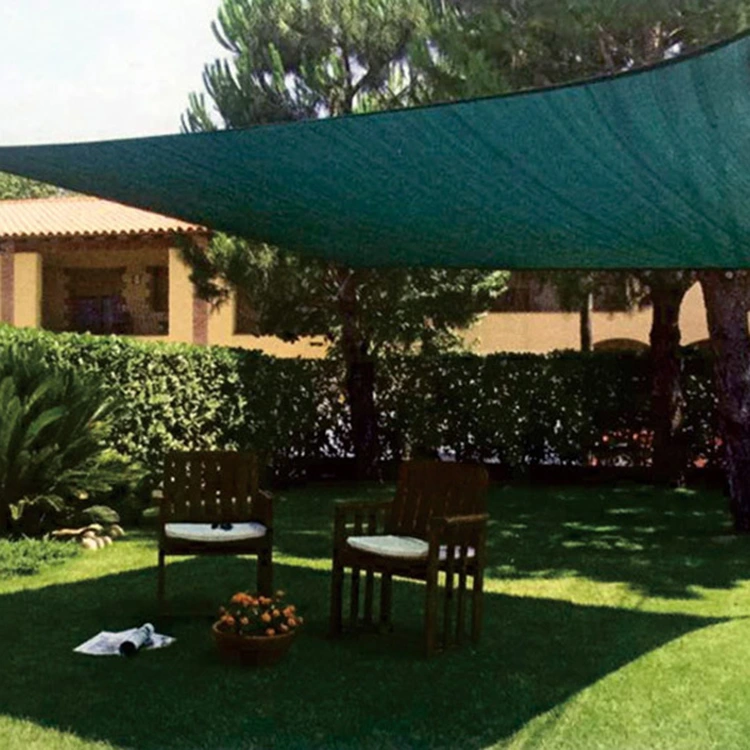
When I first heard “shade net,” I assumed it only blocked sunlight like a basic cover. What surprised me is how well Sunshade nets can improve comfort and protect materials when you match the right shading rate to the right environment.
- Less direct radiation means lower surface temperatures on floors, equipment, vehicles, and plant canopies.
- Reduced glare makes outdoor work areas easier on the eyes, especially near reflective surfaces.
- UV protection helps slow fading and brittleness in outdoor furniture, plastic containers, packaging, and greenhouse films.
- Ventilation-friendly shading can be better than solid tarps because it cuts sunlight while still allowing airflow.
In practice, I see the biggest difference during peak sun hours. With a properly tensioned net, the space feels noticeably more usable, and I’m not constantly moving things to “find shade.”
Which shade percentage should I choose for my use case?
This is the decision that makes or breaks your results. Too light, and you still feel roasted. Too heavy, and you may reduce airflow or light levels more than you intended — especially for crops, nurseries, or greenhouses.
Here’s the simplest way I think about shade percentage:
| Shade Rate | Best For | What You’ll Notice | My Practical Tip |
| 30%–50% | Light shading for seedlings, mild climates, temporary patio shade | Reduces glare, keeps areas brighter | Good if you still want lots of daylight and gentle protection |
| 60%–75% | General-purpose patios, pergolas, parking shade, nurseries | Strong comfort boost without feeling “closed in” | This is the range I usually recommend for everyday outdoor living |
| 80%–90% | High-heat zones, livestock areas, stronger crop protection | Noticeably cooler and darker | Make sure airflow and anchoring are solid, especially in wind |
| 95%+ | Specialty uses where maximum shading is needed | Very low light penetration | Confirm you truly need this before committing |
Whatever you choose, I’d rather see someone select a shade rate based on the real job (people comfort vs. plant growth vs. equipment protection) than buy the “darkest” option and regret it later.
What materials and weaving types hold up outdoors?
Outdoor shade is rough on products: UV exposure, daily tension, wind load, and friction against frames. This is why I focus on material quality as much as shading rate. Well-made Sunshade nets typically use UV-stabilized polymers designed to resist brittleness and tearing.
- UV-stabilized material helps maintain strength and color over time.
- Breathable weaving reduces the “sail effect” compared with solid covers.
- Reinforced edges make a huge difference for tear resistance at tie points.
- Even knitting density usually means more consistent shading and better durability.
One thing I always check: does the net feel uniform and stable when you pull it slightly? Cheap nets often stretch unevenly, and that can lead to sagging and early failure.
How do I compare options without getting lost in specs?
If you’re anything like me, you’ve seen listings packed with numbers, and none of them clearly explain what you’ll feel in the real world. So I use a quick comparison checklist that keeps me honest.
- Shading rate matches my goal (comfort, crops, livestock, equipment)
- UV stabilization is clearly stated for outdoor longevity
- Edge treatment looks reinforced, not flimsy
- Size customization fits my frame without awkward overlaps
- Installation method makes sense for my environment (wind, rain, daily use)
When I’m comparing suppliers, I also pay attention to how clearly they explain these basics. For example, on Yisen’s product approach, the emphasis stays on practical outcomes — shade, protection, and usability — which is exactly how I want to evaluate Sunshade nets.
How should I install Sunshade nets for stability and airflow?
This part matters more than people admit. Even great Sunshade nets can fail early if they’re installed like a loose blanket. My goal is always “secure but breathable.”
- Keep tension even so the net doesn’t flap aggressively in wind.
- Use multiple anchor points instead of pulling from just two corners.
- Support the edges to reduce tearing at stress points.
- Leave airflow paths so heat doesn’t build underneath like a trapped pocket.
If you’re shading a pergola or frame, I recommend planning for water runoff and wind direction. Breathable nets help, but any large surface area outdoors should be treated like a structure, not a decoration.
What mistakes do people make when buying sunshade nets?
I’ve watched friends buy the wrong net for the job, and the pain points are surprisingly consistent. If you want your Sunshade nets to last and perform, avoid these traps:
- Choosing shade rate based on color instead of function
- Ignoring wind and under-anchoring the net
- Skipping reinforced edges then dealing with tearing at tie points
- Buying the wrong size and forcing a bad fit with extra holes or knots
- Expecting a net to act like a waterproof tarp and being disappointed
My rule: decide what problem you’re solving first (heat, UV, plant stress, livestock comfort, equipment protection), then choose the right specification. That’s how Sunshade nets become an upgrade you feel immediately instead of a purchase you forget.
What should I ask before I contact a supplier?
If you want a smoother buying process, I’d prepare a short set of questions. It saves time and helps the supplier recommend a net that fits your application instead of guessing.
- What shading rate do you recommend for my scenario and climate?
- Is the material UV-stabilized for long-term outdoor exposure?
- How are the edges reinforced and what installation method do you suggest?
- Can you customize dimensions to fit my frame without seams in high-stress areas?
- What care or storage tips help extend the lifespan?
If you’re looking for a straightforward place to start, Yisen is worth considering because their lineup is built around real outdoor use cases rather than vague marketing. And if you already know what you need, sharing your dimensions and goal (comfort shade, crop shading, parking shade, etc.) makes it easier to match the right Sunshade nets to your project.
Are you ready to choose the right Sunshade nets without trial and error?
I like products that quietly do their job every day — cooler spaces, less glare, more protection, fewer headaches. That’s exactly why I keep recommending Sunshade nets when someone asks me how to make an outdoor area more livable or a growing space more stable.
If you want help picking a shading rate, sizing your net, or choosing an installation style that holds up in your local conditions. Contact us with your use case and dimensions, and let’s match you with the right solution. If you’re ready to move forward, contact us today for a fast quote and practical recommendations.