

How Can a Building Protection Net Enhance Safety and Efficiency?
2026-03-23
Article Summary
A building protection net is an essential safety solution designed to prevent accidents, protect workers, and maintain site efficiency during construction and renovation projects. This article explores the function, types, features, installation methods, and benefits of building protection nets. It also addresses common questions from customers, helping them choose the right product for their needs. Practical tables, lists, and structured guidance provide a clear understanding for decision-makers and site managers.
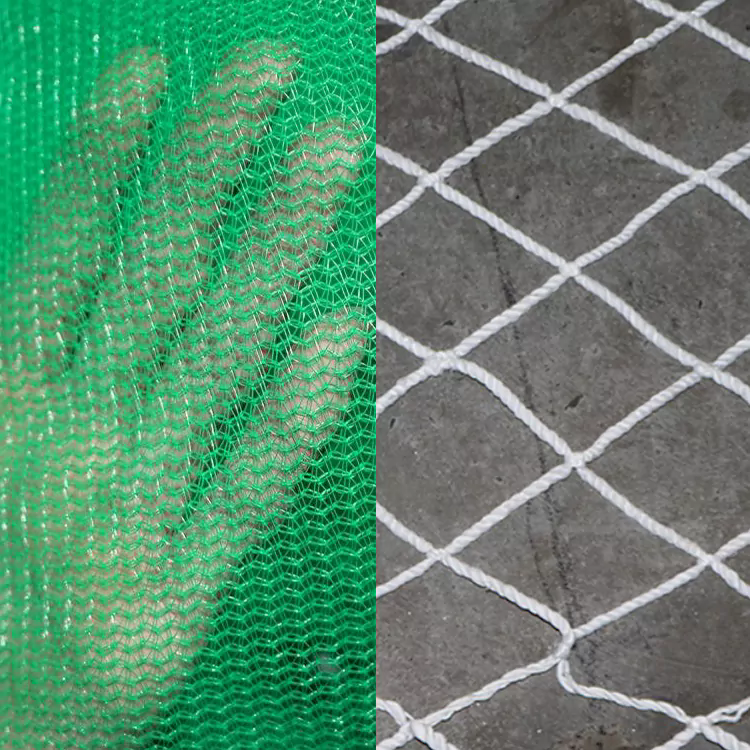
Table of Contents
- 1. What Is a Building Protection Net?
- 2. How Does a Building Protection Net Work?
- 3. Key Benefits of Using a Building Protection Net
- 4. Types and Specifications
- 5. How to Choose the Right Building Protection Net
- 6. Installation and Maintenance Guidelines
- 7. Frequently Asked Questions
- 8. Conclusion
1. What Is a Building Protection Net?
A building protection net is a durable mesh material installed around construction sites to prevent debris from falling and protect workers, pedestrians, and nearby properties. It is commonly made from high-density polyethylene (HDPE) or polypropylene, providing strong impact resistance and weather durability.
Building protection nets are essential for scaffolding safety, façade work, and high-rise construction, offering both safety and regulatory compliance for construction projects.
2. How Does a Building Protection Net Work?
The primary function of a building protection net is to act as a barrier that captures falling debris, tools, or construction materials, reducing the risk of injury and property damage. It is installed securely on scaffolding, building exteriors, or other support structures using ropes, hooks, or fastening devices.
- Absorbs and distributes the impact of falling objects
- Prevents debris from spreading outside the construction area
- Enhances visibility and boundary control at the site
- Durable against UV rays, wind, and harsh weather
When properly installed, building protection nets are a cost-effective solution for enhancing construction safety and operational efficiency.
3. Key Benefits of Using a Building Protection Net
Implementing a building protection net offers several advantages to construction projects, including:
- Worker Safety: Reduces risk of accidents from falling debris
- Property Protection: Shields nearby buildings, vehicles, and pedestrians
- Regulatory Compliance: Meets safety requirements for construction sites
- Efficiency Improvement: Minimizes project delays caused by accidents
- Cost Savings: Avoids fines, medical costs, and property damage claims
4. Types and Specifications
Building protection nets come in various designs, densities, and sizes to suit different construction needs. Below is a sample specification table:
| Type | Description |
| HDPE Safety Net | High-density polyethylene net, UV stabilized, durable for outdoor use |
| Polypropylene Net | Lightweight, flexible, ideal for scaffolding and temporary installation |
| Fire-Retardant Net | Resistant to fire and high temperatures, suitable for industrial sites |
| Mesh Size | Standard 25mm x 25mm to 50mm x 50mm, customizable |
| Color Options | Green, blue, orange, or customized colors for visibility |
| Tensile Strength | Up to 220 kg/m for heavy-duty applications |
5. How to Choose the Right Building Protection Net
Choosing the correct building protection net depends on your project requirements, safety standards, and environmental conditions. Consider the following factors:
- Project Scale: Small residential projects may need lighter nets; high-rise constructions require heavy-duty nets
- Material Type: HDPE for long-term outdoor use, polypropylene for temporary applications
- Mesh Density: Smaller meshes provide better debris containment
- Fire Resistance: Necessary for industrial sites with welding or high-temperature work
- Compliance: Ensure the net meets local safety regulations
Yisen offers a wide range of building protection nets designed to meet different project demands while maintaining high safety standards.
6. Installation and Maintenance Guidelines
Proper installation and regular maintenance are essential for ensuring the effectiveness and longevity of building protection nets.
- Secure the net to scaffolding or building frame using strong ropes or fasteners
- Ensure full coverage of the construction area to avoid gaps
- Inspect nets regularly for wear, tears, or UV damage
- Replace damaged sections immediately to maintain safety standards
- Store nets properly when not in use to prevent deformation or damage
7. Frequently Asked Questions
Q1: How long does a building protection net last?
The lifespan depends on the material and exposure to weather. HDPE nets can last 3-5 years outdoors with UV protection.
Q2: Can a building protection net support heavy debris?
Yes, heavy-duty nets have tensile strengths up to 220 kg/m and are designed to withstand falling tools and construction materials.
Q3: Are these nets reusable?
Many nets can be reused multiple times if properly maintained, reducing overall project costs.
Q4: Can I customize the color or size?
Yes, Yisen provides custom mesh sizes, colors, and materials based on project requirements.
8. Conclusion
A building protection net is a vital safety investment for any construction project, providing protection for workers, pedestrians, and nearby properties. Choosing the right material, type, and installation method ensures maximum efficiency and safety.
Yisen offers high-quality building protection nets with customizable options to suit a variety of project needs. To secure your construction site and enhance operational efficiency, contact us today for professional support and product selection guidance.