

How Can a Soil Cover Dust Net Improve Dust Control and Site Protection?
2026-06-04
Construction sites, mining areas, landfills, stockpile yards, and exposed soil surfaces often face a common challenge: airborne dust. Excessive dust not only affects visibility and operational efficiency but can also create environmental concerns, health risks, and regulatory compliance issues. A Soil Cover Dust Net is one of the most practical and cost-effective solutions for minimizing dust emissions while protecting exposed ground surfaces from wind erosion.
This article explores how soil cover dust nets work, their benefits, applications, selection criteria, and maintenance tips to help businesses and project managers make informed decisions.
Article Summary
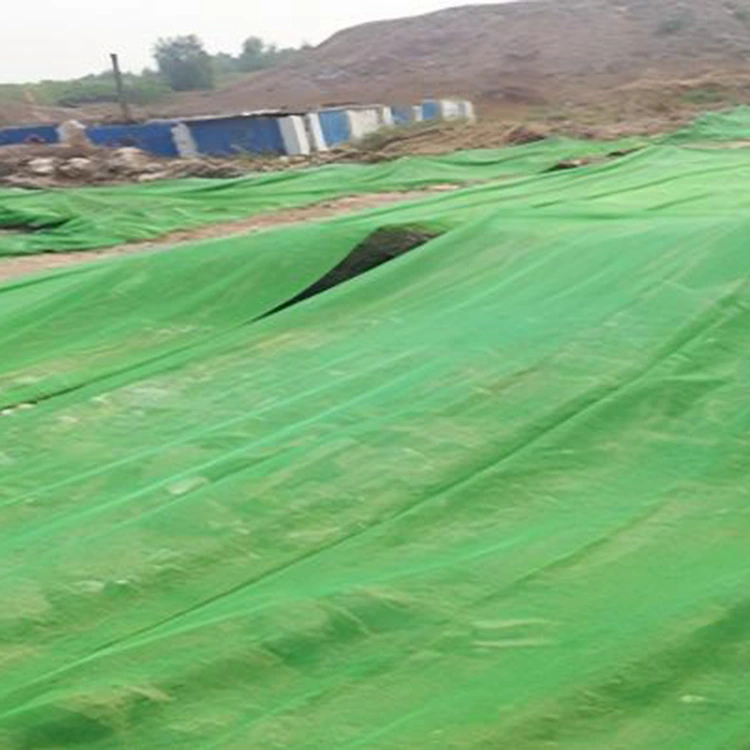
A Soil Cover Dust Net is a protective mesh designed to cover exposed soil, sand, coal, gravel, and other loose materials. By reducing wind impact and stabilizing surface materials, it significantly decreases dust generation. These nets are widely used in construction, mining, landscaping, agriculture, and environmental protection projects. Choosing the right netting material, shade rate, and installation method can improve long-term performance and reduce maintenance costs.
Table of Contents
- What Is a Soil Cover Dust Net?
- Why Does Dust Control Matter?
- How Does a Soil Cover Dust Net Work?
- Key Benefits of Using Soil Cover Dust Nets
- Common Applications
- Comparison with Other Dust Control Methods
- How to Choose the Right Soil Cover Dust Net
- Installation Best Practices
- Maintenance and Service Life
- Future Trends in Dust Control Solutions
- FAQ
What Is a Soil Cover Dust Net?
A Soil Cover Dust Net is a high-density polyethylene (HDPE) mesh fabric designed to cover exposed surfaces and prevent dust particles from becoming airborne. The net acts as a protective barrier that reduces wind velocity across the soil surface while maintaining airflow and water permeability.
Unlike solid covers that may trap water or create drainage issues, dust nets provide an effective balance between protection and ventilation. They are commonly manufactured with UV stabilizers to withstand prolonged outdoor exposure and harsh weather conditions.
- Lightweight and easy to install
- UV-resistant construction
- High tensile strength
- Weather-resistant performance
- Reusable and recyclable materials
- Available in multiple shade rates and colors
Why Does Dust Control Matter?
Dust may seem like a minor inconvenience, but unmanaged dust can lead to significant operational and environmental challenges.
Fine dust particles can travel long distances, affecting nearby communities, vegetation, equipment, and workers. Excessive dust emissions can also result in project delays, complaints, and increased maintenance costs.
Major issues caused by uncontrolled dust include:
- Reduced air quality
- Worker health concerns
- Poor visibility on job sites
- Environmental contamination
- Equipment wear and tear
- Higher cleaning and maintenance expenses
- Potential regulatory violations
Implementing a reliable dust control strategy helps organizations maintain safer and more efficient operations.
How Does a Soil Cover Dust Net Work?
The effectiveness of a Soil Cover Dust Net comes from its ability to reduce the force of wind acting on exposed materials.
When strong winds pass over uncovered soil, loose particles become suspended in the air and create dust clouds. By covering the surface with a specially engineered mesh, wind speed at ground level is significantly reduced.
The net works through several mechanisms:
- Blocks direct wind impact on exposed soil.
- Reduces particle movement and erosion.
- Creates a stable microenvironment on the covered surface.
- Allows rainwater penetration while maintaining coverage.
- Provides continuous protection without requiring constant reapplication.
This passive protection system makes dust nets a highly efficient long-term solution compared to temporary methods.
Key Benefits of Using Soil Cover Dust Nets
Organizations across multiple industries choose dust nets because of their practical and economic advantages.
1. Significant Dust Reduction
The primary advantage is minimizing airborne dust generated by wind exposure. Properly installed nets can substantially reduce particulate emissions from stockpiles and bare ground.
2. Cost-Effective Protection
Compared with repeated water spraying or chemical suppressants, dust nets offer long-term protection with lower operational costs.
3. Easy Installation
Most net systems can be deployed quickly using simple fastening methods, reducing labor requirements.
4. Environmental Benefits
Dust nets help preserve air quality while reducing the need for excessive water consumption in dust suppression programs.
5. Extended Material Preservation
Covered stockpiles experience less material loss from wind erosion, helping companies protect valuable resources.
6. Enhanced Site Appearance
A properly covered site presents a cleaner and more professional image to clients, inspectors, and surrounding communities.
Common Applications
Soil Cover Dust Nets are used in a wide range of industries where dust generation is a concern.
| Industry | Application | Primary Benefit |
|---|---|---|
| Construction | Exposed soil and excavation areas | Dust suppression |
| Mining | Ore and waste stockpiles | Wind erosion control |
| Landfills | Temporary soil coverage | Environmental protection |
| Agriculture | Soil stabilization | Moisture retention |
| Ports | Bulk material storage | Material loss reduction |
| Infrastructure Projects | Road and rail construction sites | Cleaner working environment |
Comparison with Other Dust Control Methods
| Method | Initial Cost | Maintenance | Long-Term Efficiency |
|---|---|---|---|
| Water Spraying | Low | High | Moderate |
| Chemical Suppressants | Medium | Medium | Good |
| Temporary Covers | Medium | High | Moderate |
| Soil Cover Dust Nets | Medium | Low | Excellent |
For many projects, dust nets provide the best balance between installation cost, operational efficiency, and long-term performance.
How to Choose the Right Soil Cover Dust Net
Selecting the appropriate net requires evaluating project-specific conditions.
- Site size and coverage requirements
- Wind intensity in the project area
- Expected service life
- UV exposure levels
- Material strength requirements
- Budget considerations
- Installation conditions
Higher-quality HDPE nets with UV stabilization generally provide better durability and lower replacement costs over time.
Installation Best Practices
Proper installation is critical for achieving maximum dust suppression performance.
- Prepare and level the surface.
- Measure coverage requirements accurately.
- Lay the net evenly without excessive tension.
- Secure edges using anchors, ropes, or fasteners.
- Overlap adjacent sections when necessary.
- Inspect attachment points regularly.
- Repair damaged areas promptly.
A well-installed dust net system can maintain effectiveness even in demanding environmental conditions.
Maintenance and Service Life
Routine maintenance helps maximize the lifespan of a Soil Cover Dust Net.
- Conduct visual inspections monthly.
- Remove accumulated debris when necessary.
- Check fastening systems after storms.
- Replace damaged sections promptly.
- Store unused nets properly when not in service.
Depending on material quality, UV resistance, and environmental exposure, many premium dust nets can provide years of reliable performance.
Future Trends in Dust Control Solutions
As environmental standards continue to evolve, organizations are seeking more sustainable and efficient dust control technologies.
Future developments may include:
- Higher-strength lightweight materials
- Improved UV-resistant formulations
- Smart monitoring systems for coverage management
- Enhanced recyclability and sustainability
- Customized net structures for specialized industries
These innovations will help businesses improve operational efficiency while supporting environmental protection goals.
Frequently Asked Questions
Q1: What material is commonly used for Soil Cover Dust Nets?
Most high-quality products are manufactured from HDPE with UV stabilizers for outdoor durability.
Q2: Can dust nets be reused?
Yes. Properly maintained dust nets can be reused multiple times depending on site conditions and handling practices.
Q3: Are Soil Cover Dust Nets suitable for extreme weather?
Quality products designed with reinforced structures can withstand challenging environmental conditions when properly installed.
Q4: Do dust nets allow rainwater to pass through?
Yes. The mesh structure allows water penetration while continuing to provide dust suppression benefits.
Q5: Which industries benefit most from Soil Cover Dust Nets?
Construction, mining, agriculture, ports, landfills, and infrastructure projects are among the industries that benefit significantly from dust net solutions.
Conclusion
A Soil Cover Dust Net is an effective, economical, and environmentally responsible solution for controlling dust emissions and protecting exposed surfaces. By reducing wind erosion, preserving materials, and improving site conditions, these nets help organizations achieve better operational efficiency and environmental performance.
Whether you manage a construction site, mining operation, stockpile yard, landfill, or infrastructure project, selecting a high-quality dust net can provide substantial long-term value. As a professional manufacturer and supplier of protective netting solutions, Yisen offers reliable Soil Cover Dust Net products designed for demanding environments and long service life. If you are looking for customized dust control solutions, improved site protection, or expert technical support, contact us today and let Yisen help you find the ideal solution for your project requirements.