

How Can Fall Prevention Safety Nets Protect Workers Effectively?
2026-05-28
Summary: Fall hazards are among the leading causes of workplace injuries, particularly in construction, maintenance, and industrial environments. Implementing fall prevention safety nets is a critical strategy to protect workers and minimize accidents. This article explores the benefits, installation methods, compliance considerations, and maintenance practices for fall prevention safety nets, helping businesses enhance safety measures while meeting regulatory standards.
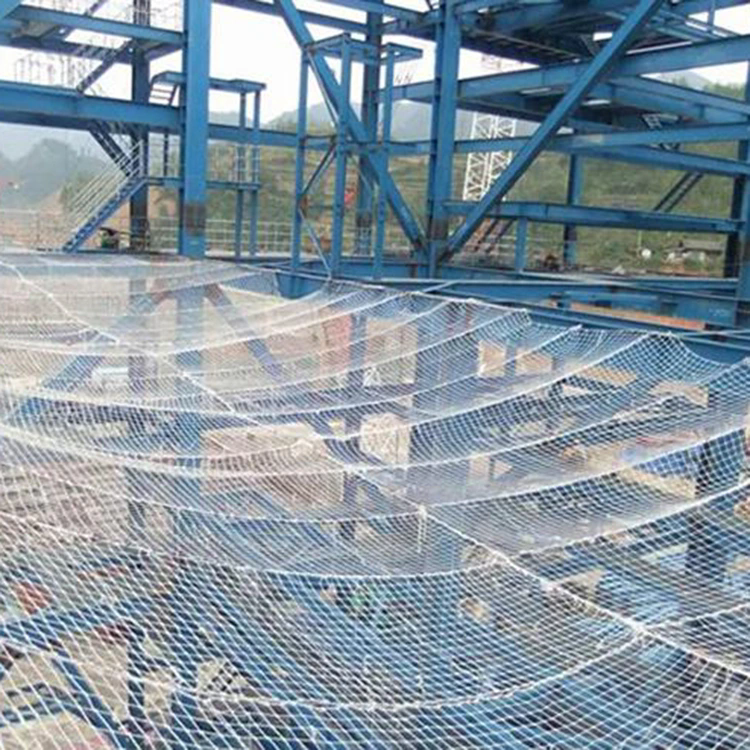
Table of Contents
- Why Fall Prevention Safety Nets Are Essential
- Types of Fall Prevention Safety Nets
- Proper Installation Guidelines
- Inspection and Maintenance
- Key Benefits for Workers and Employers
- Frequently Asked Questions
- Contact Yisen
Why Fall Prevention Safety Nets Are Essential
Falls are a leading cause of occupational injuries and fatalities worldwide. The Occupational Safety and Health Administration (OSHA) reports that thousands of workers are injured each year due to falls from heights. Fall prevention safety nets provide a reliable safety measure that absorbs the impact of a fall, preventing severe injuries or fatalities.
Using safety nets also ensures compliance with workplace safety regulations, providing both legal protection and peace of mind. Companies like Yisen specialize in designing and manufacturing high-quality fall prevention safety nets that meet international safety standards.
- Reduces the risk of serious injuries
- Supports legal and regulatory compliance
- Enhances worker confidence and productivity
Types of Fall Prevention Safety Nets
Fall prevention safety nets come in various designs to suit different work environments. Choosing the right type ensures maximum safety and durability.
| Type | Description | Best Use Case |
|---|---|---|
| Horizontal Safety Nets | Installed horizontally below the working platform to catch falling workers. | Construction sites, scaffolding, and elevated platforms. |
| Vertical Safety Nets | Set up vertically along building edges to prevent falls over the side. | Bridge construction, high-rise buildings. |
| Energy-Absorbing Nets | Specialized nets that reduce impact force upon a fall. | Industrial maintenance and hazardous zones. |
Proper Installation Guidelines
Correct installation is critical for safety net effectiveness. Improper setup can reduce protection or even create new hazards. Here are essential steps:
- Identify the area and measure the distance below the working platform.
- Select the appropriate type of net based on height and expected load.
- Secure anchor points using certified fixtures and supports.
- Ensure net tension is adequate but not overly tight to maintain energy absorption.
- Mark the perimeter to prevent accidental contact with other equipment.
- Conduct a test load check before allowing workers in the area.
Pro Tip: Only trained personnel should install safety nets, and regular checks should be conducted during the project lifecycle.
Inspection and Maintenance
Even the best safety net is only effective if properly maintained. Regular inspection is essential to identify wear and tear or potential damage.
- Inspect nets for frays, broken threads, or holes weekly.
- Check anchor points for corrosion or loosening.
- Replace any damaged components immediately.
- Document inspections for compliance records.
Routine maintenance ensures long-term safety and cost efficiency, reducing the risk of workplace accidents.
Key Benefits for Workers and Employers
Investing in fall prevention safety nets provides multiple benefits:
- Enhanced Safety: Minimizes risk of injuries or fatalities.
- Legal Compliance: Helps meet OSHA and other regulatory requirements.
- Increased Productivity: Workers feel secure and can perform tasks efficiently.
- Cost Savings: Reduces accident-related compensation and downtime.
Yisen offers customizable safety net solutions tailored to your site requirements, ensuring maximum protection for your workforce.
Frequently Asked Questions
What height should safety nets be installed at?
Generally, nets should be placed as close as possible to the working surface but no more than 6 meters below to effectively arrest a fall.
How long do safety nets last?
Depending on material quality and environmental exposure, most nets last between 3-5 years. Regular inspections extend their lifespan.
Can safety nets be reused across different sites?
Yes, provided they pass inspection for wear, damage, and compliance with anchor points and load requirements.
Are safety nets mandatory in all construction sites?
While regulations vary by region, fall prevention safety nets are highly recommended wherever there is a risk of falling from heights above 6 feet.
Contact Yisen
Investing in professional fall prevention safety nets can save lives and reduce workplace liabilities. Yisen offers a full range of certified safety net solutions designed for durability, flexibility, and compliance.
To learn more about our products and request a customized solution, contact us today.