Maintenance Tips
- Regularly inspect for fraying or damage.
- Clean nets using mild soap and water.
- Avoid exposure to harsh chemicals.
- Store properly when not in use for seasonal facilities.
- Check tension periodically to maintain performance.


2026-04-15
Sports rope nets are essential safety and performance components used across multiple athletic environments, including stadiums, training facilities, playgrounds, and recreational courts. They provide structural protection, ball containment, and spatial organization, while also improving efficiency and safety for both players and spectators. This article explores how sports rope nets work, their materials, applications, benefits, installation methods, and maintenance practices, helping buyers and facility managers make informed decisions.
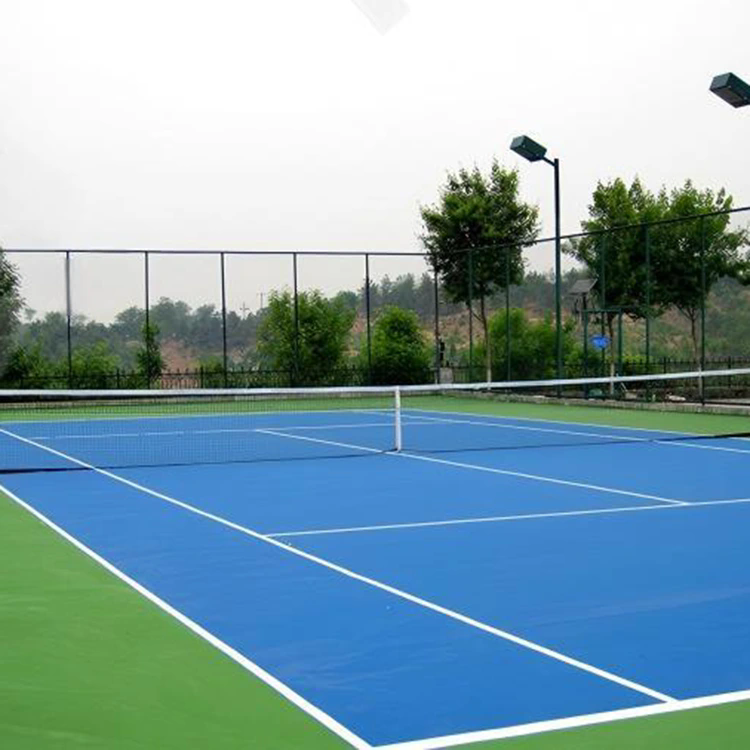
In modern sports environments, safety and performance optimization are equally important. Whether it is a football field, tennis court, baseball stadium, or multi-purpose sports complex, controlling the movement of balls and ensuring spectator safety is critical. Sports rope nets have become a standard solution for these challenges.
They are engineered to absorb impact, restrict movement, and enhance structural boundaries. Companies like Yisen specialize in producing high-quality rope net systems designed for professional and recreational use, ensuring long-term durability and consistent performance.
Sports rope nets are woven or knotted mesh structures made from high-strength synthetic or natural fibers. These nets are designed to withstand repeated impact from balls, equipment, and environmental stressors such as wind and UV exposure.
They are typically used as barriers, safety enclosures, or performance aids. Their flexibility allows them to absorb energy without breaking, making them ideal for dynamic sports environments.
Sports rope nets are widely used across multiple disciplines and environments:
The performance of sports rope nets depends heavily on the materials used. Common materials include:
Yisen uses advanced manufacturing techniques such as precision knotting and heat treatment to ensure structural integrity and consistent mesh sizing.
High-quality sports rope nets must meet strict safety and durability requirements. These include tensile strength testing, UV resistance validation, and load-bearing simulations.
Properly manufactured nets can last several years even under heavy usage conditions. Reinforced edge stitching and anti-fray treatments further extend product lifespan.
Selecting the right net depends on several factors:
Proper installation ensures maximum efficiency and safety. The process generally includes:
Professional installation is recommended for large-scale sports facilities to ensure structural reliability.
| Material | Durability | Weather Resistance | Cost | Best Use Case |
|---|---|---|---|---|
| Polyethylene (PE) | High | Excellent | Medium | Outdoor stadiums |
| Nylon | Very High | Good | High | High-impact sports |
| Polypropylene (PP) | Medium | Moderate | Low | Indoor training areas |
Q1: How long do sports rope nets last?
A: Depending on material and usage, they typically last 3–8 years.
Q2: Can sports rope nets be used outdoors year-round?
A: Yes, UV-resistant materials like PE are designed for all-weather use.
Q3: Are custom sizes available?
A: Yes, Yisen provides customizable net dimensions for different sports facilities.
Q4: Do nets require frequent replacement?
A: No, with proper maintenance, replacement frequency is minimal.
Sports rope nets are a fundamental component of modern sports infrastructure, ensuring safety, improving gameplay conditions, and optimizing facility management. From material selection to installation and maintenance, each aspect contributes to their overall effectiveness.
Yisen provides professional-grade sports rope net solutions designed for durability, performance, and safety across various sporting environments. For tailored solutions and expert consultation, contact us today to explore how Yisen can support your sports facility needs.