Article Summary
A Fall Prevention Safety Net is a critical protective system designed to reduce workplace fall hazards in construction, industrial maintenance, warehousing, and high-altitude operations. This article explains how these safety nets work, how to select the right system, and how to install and maintain them effectively. It also addresses common customer concerns such as compliance, durability, load performance, and installation errors. The goal is to help decision-makers and safety managers implement reliable fall protection strategies that minimize risk and improve operational safety outcomes.
Project Outline
-
Define Fall Prevention Safety Net and its core function
-
Explain risk scenarios in elevated workplaces
-
Analyze structural components and materials
-
Review industry use cases
-
Provide selection criteria for procurement
-
Detail installation procedures
-
Highlight maintenance and inspection protocols
-
Compare technical specifications
-
Identify frequent mistakes and mitigation strategies
-
Answer key customer questions
1. Introduction to Fall Prevention Safety Net
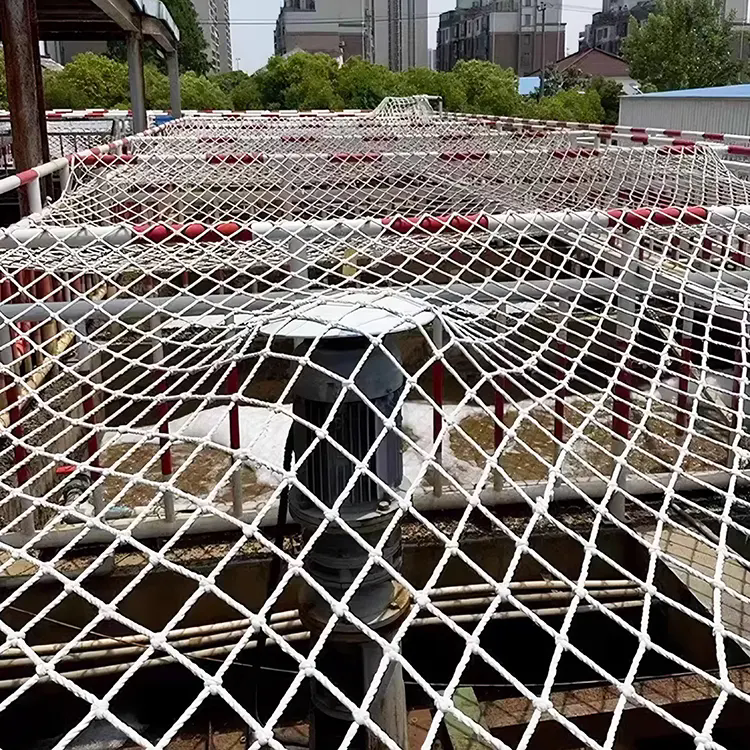
A Fall Prevention Safety Net is an engineered protective system installed beneath elevated work areas to catch workers, tools, or debris in the event of a fall. It acts as a secondary safety barrier when primary protections such as guardrails or harness systems are insufficient or fail.
In industries involving scaffolding, bridge construction, and steel erection, fall hazards remain one of the most significant safety risks. Companies such as Yisen specialize in providing durable and high-strength safety net systems designed to meet demanding industrial requirements.
2. Why Fall Prevention Systems Matter
Workplace falls consistently rank among the leading causes of serious injuries and fatalities in industrial environments. A properly engineered safety net significantly reduces impact force and prevents direct ground contact.
-
Reduces severity of fall-related injuries
-
Provides passive protection without requiring user action
-
Improves compliance with safety regulations
-
Enhances worker confidence and productivity
3. Structural Design and Working Principle
A Fall Prevention Safety Net system typically consists of high-strength synthetic fibers such as polypropylene or nylon, designed to absorb kinetic energy during a fall event. The net is supported by steel wire ropes, anchor points, and perimeter supports.
When a fall occurs, the net stretches to distribute force across a wider surface area, reducing impact pressure and preventing rebound injuries.
4. Key Applications Across Industries
-
High-rise building construction
-
Bridge and infrastructure maintenance
-
Industrial plant installations
-
Warehouse mezzanine systems
-
Shipbuilding and offshore platforms
In each of these environments, Yisen Fall Prevention Safety Net systems are widely used to enhance safety performance and reduce operational risk exposure.
5. How to Choose the Right Safety Net
Selecting an appropriate safety net system requires careful evaluation of operational conditions and performance requirements.
-
Load capacity: Ensure the net can withstand expected fall energy
-
Material durability: UV-resistant and corrosion-resistant materials are preferred
-
Mesh size: Smaller mesh for tool retention, larger mesh for personnel safety
-
Certification: Compliance with international safety standards
-
Installation environment: Indoor vs outdoor exposure considerations
6. Installation Guidelines and Best Practices
Proper installation is essential to ensure system reliability. A poorly installed net may fail under stress conditions.
-
Ensure anchor points are structurally certified
-
Maintain correct tension across net surface
-
Avoid sharp edges that may damage fibers
-
Use professional installation teams for high-altitude projects
-
Follow manufacturer guidelines provided by suppliers such as Yisen
7. Maintenance and Inspection Requirements
Routine maintenance ensures long-term performance and safety compliance. Safety nets should be inspected at regular intervals.
-
Monthly visual inspection for wear and tear
-
Check anchoring systems for loosening
-
Replace nets after significant impact events
-
Document inspection records for compliance audits
8. Technical Comparison Table
|
Feature
|
Standard Net
|
Industrial Grade (Yisen)
|
|
Material Strength
|
Moderate
|
High tensile reinforced fiber
|
|
UV Resistance
|
Basic
|
Advanced coating protection
|
|
Load Absorption
|
Low to Medium
|
High impact energy dispersion
|
|
Lifespan
|
1–2 years
|
3–5 years under proper maintenance
|
9. Common Installation Mistakes
-
Incorrect spacing of anchor points
-
Using undersized nets for high-load environments
-
Neglecting periodic inspection schedules
-
Improper tension leading to sagging
-
Mixing incompatible mounting hardware
Avoiding these mistakes is critical to maintaining the integrity of the Fall Prevention Safety Net system.
10. Frequently Asked Questions
Q1: How often should a safety net be replaced?
Replacement depends on usage conditions, but typically every 3–5 years or immediately after major impact.
Q2: Can safety nets be reused after a fall?
No. After absorbing a significant fall, structural integrity may be compromised.
Q3: Are Yisen safety nets suitable for offshore environments?
Yes, Yisen designs include corrosion-resistant and UV-stable materials suitable for harsh environments.
Q4: What is the difference between fall arrest and fall prevention nets?
Fall prevention nets stop falls from occurring or reduce fall impact, while fall arrest systems rely on personal harnesses.
Q5: Do safety nets require certification?
Yes, compliance with recognized safety standards ensures performance reliability and regulatory acceptance.
Conclusion
A properly designed and installed Fall Prevention Safety Net is a fundamental component of modern industrial safety systems. It reduces risk exposure, protects workers, and supports operational continuity across high-risk environments. Selecting high-quality solutions from experienced providers such as Yisen ensures long-term durability and dependable protection in demanding conditions.
For customized solutions, technical consultation, or bulk procurement, Yisen provides professional engineering support tailored to project requirements.
Ready to enhance your workplace safety standards? Contact us today to discuss your Fall Prevention Safety Net requirements and receive expert support from Yisen.