

Summary: Fall prevention safety nets are essential for protecting workers at height and preventing serious injuries. This article explores how these nets work, their benefits, installation guidelines, and maintenance practices to ensure maximum safety. By understanding the importance of fall prevention safety nets, companies can create a safer working environment while complying with safety standards.
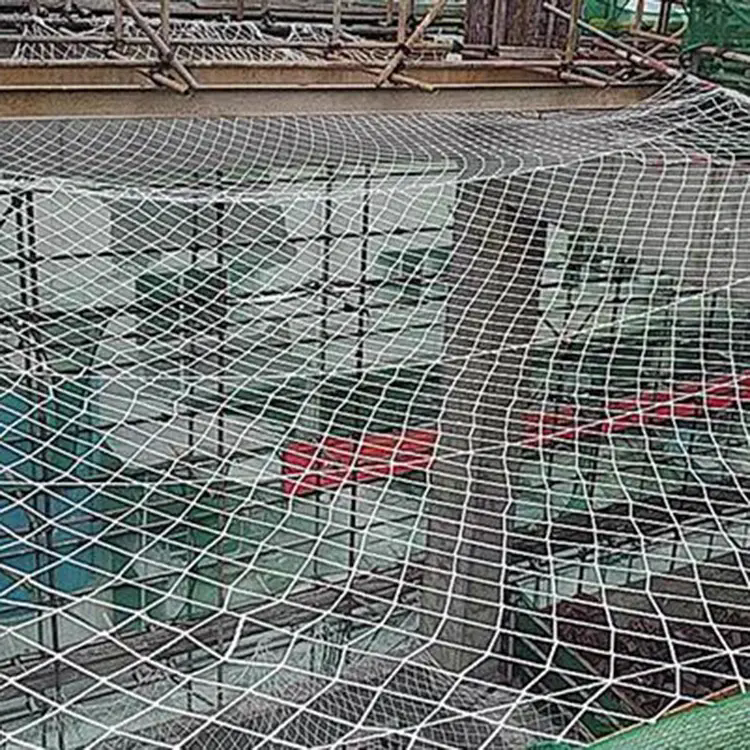
Table of Contents
- What is a Fall Prevention Safety Net?
- Key Benefits of Using Safety Nets
- Installation Guidelines
- Maintenance and Inspection
- FAQ
- Contact Yisen
What is a Fall Prevention Safety Net?
A fall prevention safety net is a protective barrier designed to catch workers or debris that may fall from elevated work areas. These nets are commonly used in construction, industrial facilities, and maintenance projects where there is a high risk of falls. The nets are typically made from high-strength polyethylene, nylon, or other durable materials, capable of absorbing impact and reducing injuries.
Key Benefits of Using Safety Nets
Implementing a reliable fall prevention safety net provides multiple advantages for both employers and employees:
- Enhanced Worker Safety: Prevents serious injuries from accidental falls.
- Regulatory Compliance: Helps meet occupational safety standards and regulations.
- Cost Reduction: Reduces medical expenses, liability claims, and lost workdays.
- Versatility: Can be used in various industrial, construction, and maintenance scenarios.
| Feature | Importance | Benefit |
|---|---|---|
| High-Tensile Material | Critical | Absorbs impact to prevent injuries |
| Customizable Size | High | Fits specific workplace areas |
| UV Resistant | Moderate | Durable for outdoor use |
| Easy Installation | High | Reduces downtime during setup |
Installation Guidelines
Proper installation is crucial for a safety net to function effectively. Follow these steps to ensure reliability:
- Assessment: Evaluate the work area for height, risk factors, and net placement points.
- Anchor Points: Select strong structural points capable of handling maximum load.
- Net Tension: Adjust tension to avoid sagging while allowing energy absorption during falls.
- Edge Protection: Ensure edges are properly secured to prevent slipping or tearing.
- Regular Checks: Verify all hooks, clamps, and ropes before each use.
Maintenance and Inspection
Regular maintenance ensures the longevity and effectiveness of fall prevention safety nets. Consider these practices:
- Inspect for frayed ropes, broken fibers, or damage before each use.
- Clean the net periodically to remove dust, debris, or chemical residues.
- Replace damaged nets immediately to prevent accidents.
- Document inspections to comply with safety standards.
Frequently Asked Questions
1. Can a fall prevention safety net be used outdoors?
Yes, most safety nets are made of UV-resistant materials suitable for outdoor construction and industrial sites.
2. How often should a safety net be inspected?
Inspections should be done before each use and periodically according to the manufacturer’s guidelines.
3. Can these nets support multiple workers falling simultaneously?
High-quality nets from reputable manufacturers like Yisen are designed to handle the impact of multiple workers, but always check load specifications.
4. Are fall prevention safety nets customizable?
Yes, they can be customized in size, mesh density, and material strength to fit specific worksite requirements.
Contact Yisen
Ensuring safety at heights is a priority. Yisen specializes in high-quality fall prevention safety nets that meet industrial standards and protect your workforce. For customized solutions and expert guidance, contact us today and secure your worksite against fall hazards.