

How Does a Safety Net Improve Workplace Safety and Protection?
2026-07-17
Article Summary:
A safety net is an essential protective solution designed to reduce risks in construction sites, industrial environments, sports facilities, and other high-risk areas. By providing reliable fall protection and impact absorption, a properly designed safety net helps protect workers, equipment, and surrounding areas from unexpected accidents. This article explains how safety nets work, their key benefits, important selection factors, and how Yisen provides dependable safety net solutions to meet different application requirements.
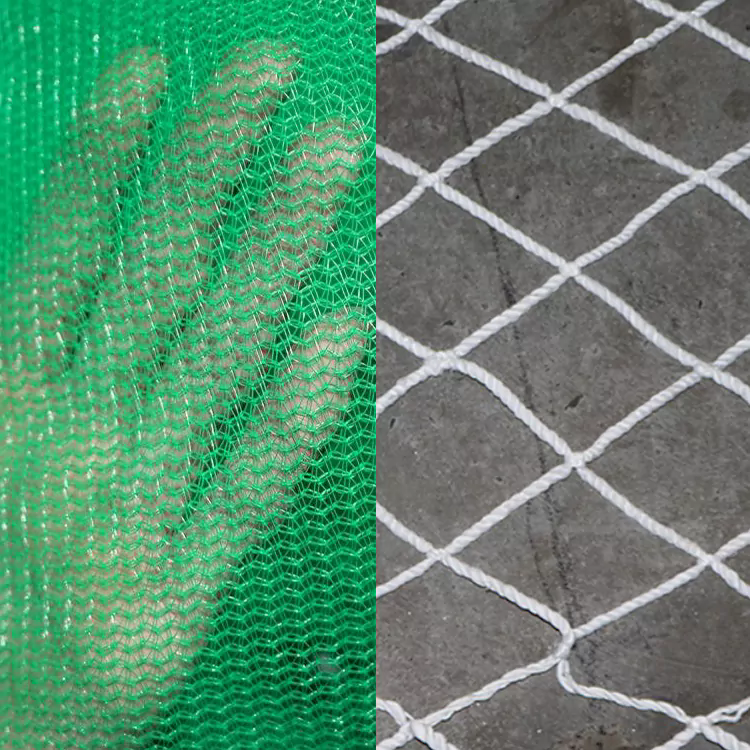
Table of Contents
- 1. Understanding the Importance of Safety Net Systems
- 2. How Does a Safety Net Work?
- 3. Common Applications of Safety Nets
- 4. Key Benefits of Using a Safety Net
- 5. How to Choose the Right Safety Net?
- 6. Why Choose Yisen Safety Net Solutions?
- 7. Maintenance Tips for Long-Term Safety Performance
- 8. Safety Net vs Other Protection Methods
- 9. Frequently Asked Questions About Safety Nets
Article Outline
- The role of safety nets in preventing accidents
- The working principles behind safety net protection
- Industries that require safety net systems
- Advantages of high-quality safety nets
- Factors affecting safety net selection
- Yisen’s professional safety protection solutions
- Maintenance and usage recommendations
- Frequently asked questions about safety net products
Understanding the Importance of Safety Net Systems
In many working environments, accidents caused by falling objects, equipment failure, or height-related operations can create serious safety risks. A safety net provides an effective protective barrier that helps minimize injuries and property damage by catching falling people or objects before they reach the ground.
Construction sites, warehouses, factories, transportation areas, and sports facilities often involve activities where unexpected falls may occur. Traditional protective measures such as warning signs or personal protective equipment are important, but they may not always provide complete protection. A safety net works as an additional safety layer that offers continuous protection in areas where risks cannot be completely eliminated.
Modern safety nets are manufactured with strong synthetic materials, advanced weaving technology, and strict quality control processes. These features allow them to provide excellent strength, flexibility, and durability under demanding conditions.
How Does a Safety Net Work?
A safety net works by absorbing and distributing impact energy when a person or object falls. Instead of allowing direct contact with a hard surface, the net structure creates a controlled stopping process that reduces impact force.
The working performance of a safety net depends on several important factors:
| Factor | Function |
|---|---|
| Material Strength | Determines the load-bearing capacity and durability of the net. |
| Mesh Structure | Controls flexibility, impact absorption, and protection efficiency. |
| Installation Method | Ensures the net remains stable and performs correctly during use. |
| Environmental Resistance | Improves performance against sunlight, moisture, and outdoor conditions. |
When properly installed, a safety net creates a reliable protective zone. The net absorbs energy through its flexible structure while spreading the force across multiple points, helping reduce damage and injury risks.
Common Applications of Safety Nets
Safety nets are widely used across different industries because they provide flexible protection solutions for various environments.
- Construction Industry: Safety nets are commonly installed around buildings, scaffolding areas, and elevated work platforms to protect workers from falling accidents.
- Industrial Facilities: Factories and warehouses use safety nets to prevent falling objects and improve workplace safety.
- Sports Facilities: Sports fields and training areas use safety nets to control flying balls and protect spectators.
- Transportation Areas: Safety nets can be applied in loading zones and logistics environments to improve operational safety.
- Agricultural Applications: Specialized safety nets can help protect crops, equipment, and working areas.
Key Benefits of Using a Safety Net
Selecting a reliable safety net system provides multiple advantages for businesses and organizations.
| Benefit | Description |
|---|---|
| Enhanced Safety Protection | Reduces the possibility of severe injuries caused by falls and falling objects. |
| Cost Reduction | Helps minimize accident-related expenses, equipment damage, and downtime. |
| Flexible Installation | Can be adapted to different locations, structures, and working conditions. |
| Long Service Life | High-quality materials provide reliable performance for extended periods. |
| Improved Workplace Confidence | Creates a safer environment for workers and improves operational efficiency. |
For companies managing high-risk environments, investing in a professional safety net system is not only a safety requirement but also a practical approach to improving productivity and protecting valuable resources.
How to Choose the Right Safety Net?
Choosing the correct safety net requires careful consideration of the working environment, protection requirements, and expected service conditions. A suitable product should match both safety standards and practical application needs.
- Identify the Application: Determine whether the safety net will be used for fall protection, object protection, sports applications, or other purposes.
- Check Material Quality: High-strength materials offer better resistance to tension, wear, and environmental factors.
- Consider Mesh Size: Different applications require different mesh structures for effective protection.
- Evaluate Load Capacity: The net should be capable of handling expected impact forces safely.
- Confirm Installation Requirements: Proper installation is essential for achieving maximum performance.
Working with an experienced manufacturer can help customers avoid unsuitable products and ensure the safety net meets specific project requirements.
Why Choose Yisen Safety Net Solutions?
Yisen focuses on providing reliable safety net products designed for different industries and protection applications. With professional manufacturing experience and attention to product quality, Yisen develops safety solutions that balance strength, durability, and practical usability.
The company understands that different customers face different safety challenges. Construction projects may require strong fall protection systems, while industrial facilities may need customized solutions for preventing falling objects. Therefore, Yisen provides safety nets with different specifications to meet various application requirements.
- High-quality materials for reliable strength and durability
- Professional manufacturing processes for consistent product performance
- Flexible solutions suitable for different industries
- Focus on customer requirements and long-term safety performance
- Practical designs that support efficient installation and usage
By combining manufacturing expertise with customer-focused service, Yisen helps businesses create safer working environments and reduce potential risks.
Maintenance Tips for Long-Term Safety Performance
Even high-quality safety nets require regular inspection and maintenance to ensure continued protection. Proper care can extend service life and maintain safety performance.
- Inspect the net regularly for tears, damage, or material aging.
- Remove debris and contaminants that may affect strength.
- Check fixing points and installation components frequently.
- Replace damaged sections immediately when safety performance is affected.
- Store unused safety nets in dry and clean conditions.
Regular maintenance helps ensure that the safety net remains ready to perform when protection is needed most.
Safety Net vs Other Protection Methods
| Protection Method | Advantages | Limitations |
|---|---|---|
| Safety Net | Provides passive protection and covers large areas. | Requires correct installation and regular inspection. |
| Safety Harness | Provides personal fall protection for workers. | Requires continuous user operation and training. |
| Guardrails | Creates physical barriers around work areas. | May not protect against all falling situations. |
| Warning Signs | Provides safety awareness information. | Does not physically prevent accidents. |
A comprehensive safety strategy often combines multiple protection methods. Safety nets provide an additional protective layer that supports overall workplace safety management.
Frequently Asked Questions About Safety Nets
Q1: What is the main purpose of a safety net?
A safety net is designed to reduce risks by catching falling people or objects and minimizing impact damage in high-risk environments.
Q2: Where are safety nets commonly used?
Safety nets are widely used in construction sites, factories, warehouses, sports facilities, and other areas requiring additional protection.
Q3: How long can a safety net be used?
The service life depends on material quality, environmental conditions, usage frequency, and maintenance practices. Regular inspections help determine when replacement is necessary.
Q4: Can safety nets be customized?
Yes. Professional manufacturers can provide different sizes, mesh designs, and specifications according to customer application requirements.
Q5: Why should businesses choose professional safety net suppliers?
Professional suppliers provide better product consistency, technical support, and solutions that match specific safety requirements.
Conclusion
A safety net plays an important role in modern safety management by providing reliable protection against falling risks and unexpected accidents. From construction projects to industrial operations, the right safety net solution can improve workplace security, protect valuable assets, and create a safer environment.
With professional experience and a commitment to quality, Yisen provides dependable safety net solutions designed to meet different customer needs. For customized safety protection products and professional support, please contact us today and discover how Yisen can help improve your safety systems.