

How Does a Truck Belt Affect Your Vehicle’s Performance?
2026-03-26
In the world of commercial vehicles, the Truck Belt plays a crucial role in ensuring smooth and efficient engine operation. Despite being a small component, it directly affects performance, fuel efficiency, and the longevity of your truck's engine. Many fleet owners and logistics companies often overlook its importance, leading to unnecessary downtime and costly repairs. Understanding the types, functions, and advantages of truck belts is essential for any truck owner or maintenance team.
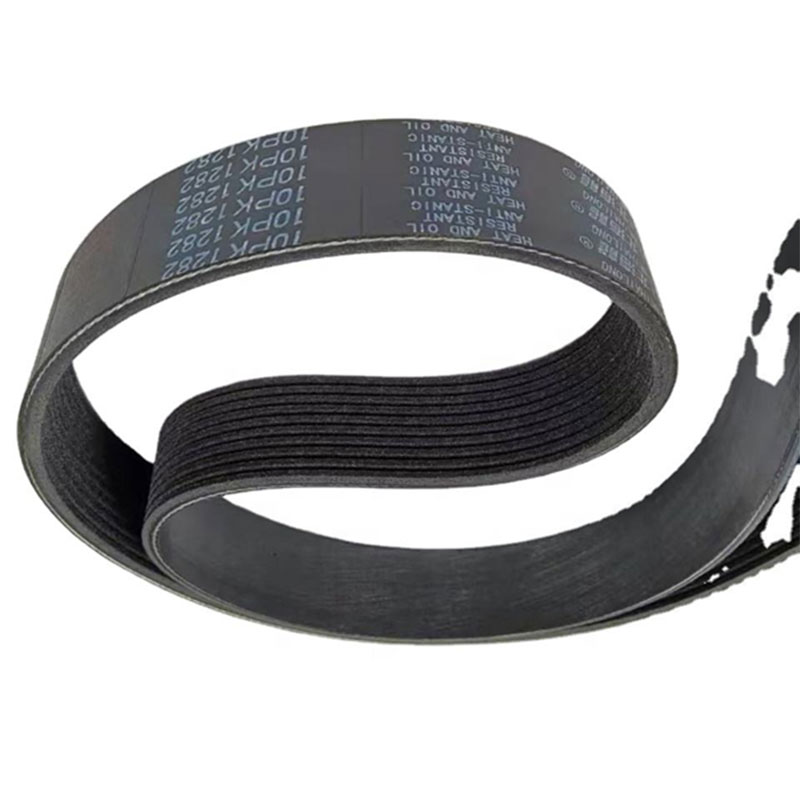
What Is a Truck Belt?
A Truck Belt is a flexible loop made from durable rubber or composite materials that transmits power from the engine to various components such as the alternator, water pump, air conditioning compressor, and power steering pump. Essentially, it is the engine's unsung hero, connecting critical systems to keep your vehicle running efficiently.
Key Functions of Truck Belts:
-
Transmit mechanical power to engine accessories
-
Maintain consistent engine timing and performance
-
Reduce engine wear and increase operational efficiency
-
Improve fuel economy by ensuring smooth operation
Types of Truck Belts
Truck belts are not one-size-fits-all. Choosing the correct type can enhance your truck's performance and reduce maintenance costs. The following table summarizes the main types:
| Belt Type | Function | Advantage |
|---|---|---|
| V-Belt | Drives alternator, water pump, fan | Simple, cost-effective |
| Serpentine Belt | Single belt drives multiple accessories | High efficiency, less maintenance |
| Timing Belt | Synchronizes engine crankshaft & camshaft | Prevents engine misalignment |
| Multi-Rib Belt | Modern trucks, drives multiple systems | Compact, reduces slippage |
Truck Belt vs. Regular Belt: Why It Matters
Many vehicle owners assume that all belts function the same. In reality, Truck Belts are specifically engineered for heavy-duty use, offering higher durability, heat resistance, and tensile strength compared to standard belts.
| Feature | Truck Belt | Regular Belt |
|---|---|---|
| Material | Heavy-duty composite | Standard rubber |
| Lifespan | 50,000–100,000 km | 20,000–50,000 km |
| Heat Resistance | High | Medium |
| Load Capacity | Heavy-duty vehicles | Light vehicles |
This comparison highlights why investing in a quality truck belt is essential for long-term performance and reliability.
The Importance of Truck Belt Maintenance
Even the best truck belt will degrade over time due to heat, friction, and environmental exposure. Signs of wear include cracks, fraying, squealing noises, and reduced engine efficiency. Regular inspections and timely replacements prevent unexpected breakdowns and ensure optimal performance.
Maintenance Tips:
-
Inspect belts every 10,000 km or during routine service
-
Check for cracks, frays, or glazing
-
Maintain proper belt tension
-
Replace belts according to manufacturer recommendations
Choosing the Right Truck Belt with Shandong Shengkunda Import and Export Trading Co., Ltd
At Shandong Shengkunda Import and Export Trading Co., Ltd, we specialize in providing high-quality truck belts for various commercial vehicle applications. Our belts are designed for durability, precision, and optimal performance, ensuring your fleet operates at its best.
Why Partner With Us:
-
Premium Quality: Sourced from trusted manufacturers
-
Wide Selection: All types of truck belts available
-
Competitive Pricing: Affordable solutions for all fleet sizes
-
Professional Support: Technical advice and service
By choosing the right truck belt, you not only enhance vehicle performance but also reduce maintenance costs and downtime, making it a wise investment for fleet operators and individual truck owners alike.
Conclusion
The Truck Belt is more than just a component—it is a critical element that ensures your truck runs smoothly, efficiently, and reliably. From understanding types and functions to proper maintenance and choosing a trusted supplier, every step matters.
For premium-quality truck belts and expert guidance, contact us at Shandong Shengkunda Import and Export Trading Co., Ltd today and elevate your truck's performance with the best belts in the industry.