

How Does Scaffolding Safety Net Improve Construction Site Protection and Fall Risk Control?
2026-07-02
Article Summary
Scaffolding Safety Net systems are essential protective components in modern construction environments, designed to reduce falling hazards, protect workers at height, and minimize material drop risks. This article explains how scaffolding safety nets function, why they are critical for construction safety management, and how companies like Yisen deliver reliable solutions for global project requirements. It also explores installation practices, performance standards, common challenges, and practical FAQs to support informed decision-making on-site.
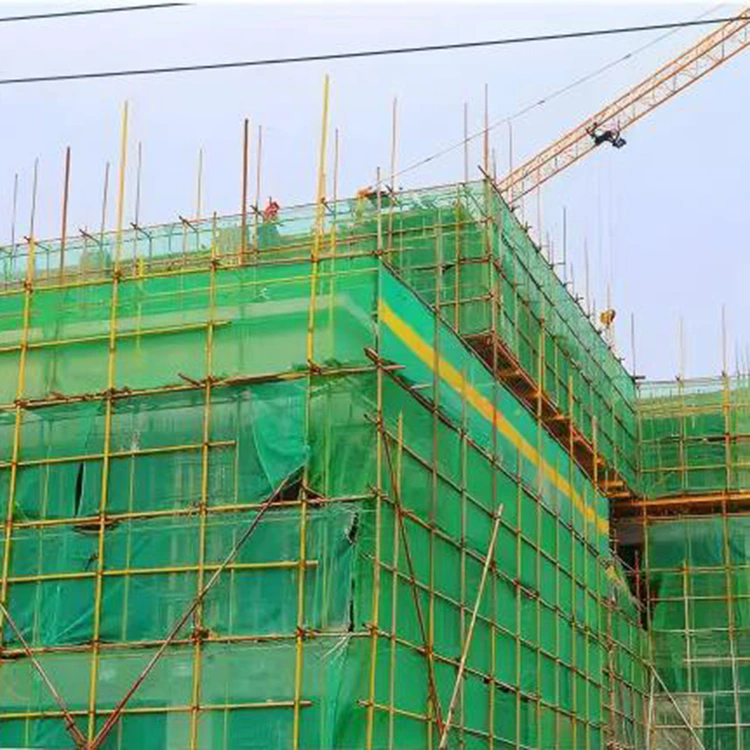
Table of Contents
- 1. Introduction to Scaffolding Safety Net Systems
- 2. Why Scaffolding Safety Net Is Essential on Construction Sites
- 3. How Scaffolding Safety Net Works
- 4. Types of Scaffolding Safety Net Solutions
- 5. Material Comparison Table
- 6. Installation Guidelines and Best Practices
- 7. Common Mistakes and How to Avoid Them
- 8. Maintenance and Inspection Requirements
- 9. Yisen’s Role in Safety Net Manufacturing
- 10. Frequently Asked Questions (FAQ)
1. Introduction to Scaffolding Safety Net Systems
In construction engineering, working at height presents one of the highest risk categories for occupational accidents. A Scaffolding Safety Net is a protective barrier installed around or beneath scaffolding structures to catch falling debris, tools, and even personnel in emergency situations. These nets are engineered using high-strength synthetic fibers such as polyethylene or nylon, ensuring durability under dynamic load conditions.
Modern construction projects increasingly rely on advanced safety systems not only to comply with regulations but also to improve productivity by reducing downtime caused by accidents. Manufacturers like Yisen provide customized safety netting solutions tailored to different construction environments.
2. Why Scaffolding Safety Net Is Essential on Construction Sites
Scaffolding environments expose workers to multiple hazards including falling objects, unstable platforms, and environmental factors such as wind. Safety nets serve as a passive safety system that continuously protects workers without requiring active intervention.
- Prevents fatal falls from elevated platforms
- Reduces injury from falling tools and construction debris
- Improves compliance with international safety regulations
- Enhances worker confidence and productivity
- Minimizes project delays caused by accidents
Without reliable safety net systems, construction sites face increased operational risks and potential legal liabilities.
3. How Scaffolding Safety Net Works
A Scaffolding Safety Net operates by absorbing kinetic energy generated from falling objects or personnel. The net is tensioned between scaffolding frames using high-strength ropes and anchors, creating a flexible catchment area.
When an object impacts the net:
- The mesh structure distributes the force across multiple nodes
- Elastic deformation reduces peak impact energy
- The system prevents direct ground impact
This energy absorption mechanism is critical in reducing injury severity. High-quality nets from Yisen are engineered to maintain structural integrity even after repeated impact exposure.
4. Types of Scaffolding Safety Net Solutions
Different construction scenarios require different net configurations. Below are the most commonly used types:
- Debris Safety Nets: Designed to catch falling construction materials and tools
- Fall Protection Nets: Used to prevent worker injuries from scaffold falls
- Vertical Netting: Installed along building edges for perimeter protection
- Enclosure Nets: Provide full scaffolding coverage for dust and debris control
Each type plays a specific role in layered construction safety systems.
5. Material Comparison Table
| Material Type | Strength Level | UV Resistance | Durability | Common Use |
|---|---|---|---|---|
| High-Density Polyethylene (HDPE) | High | Excellent | Long-term outdoor use | Heavy construction scaffolding |
| Nylon Fiber | Very High | Moderate | High elasticity but absorbs moisture | Impact-heavy environments |
| Polypropylene | Medium | Good | Cost-effective solution | Short-term projects |
6. Installation Guidelines and Best Practices
Proper installation is essential to ensure maximum efficiency of Scaffolding Safety Net systems. Incorrect tensioning or anchoring can significantly reduce performance.
- Ensure all anchor points are structurally sound
- Maintain even tension across the entire net surface
- Overlap nets when covering large scaffold areas
- Inspect fastening ropes before and after installation
- Follow manufacturer guidelines provided by Yisen
Professional installation teams often conduct load testing before allowing worker access to scaffolded areas.
7. Common Mistakes and How to Avoid Them
Despite their simplicity, scaffolding safety systems are often misused, reducing effectiveness.
- Improper tensioning: Leads to sagging and reduced impact absorption
- Ignoring weather conditions: UV and wind exposure may weaken untreated nets
- Reusing damaged nets: Compromises structural integrity
- Incorrect sizing: Leaves gaps in protection coverage
Regular inspection and replacement schedules should be strictly followed to maintain safety standards.
8. Maintenance and Inspection Requirements
To ensure long-term performance, scaffolding safety nets require periodic maintenance.
- Weekly visual inspection for tears or fraying
- Monthly tension adjustment checks
- Immediate replacement after major impact events
- Proper cleaning to remove dust and chemical residue
Maintenance logs should be maintained on-site to ensure compliance with safety protocols.
9. Yisen’s Role in Scaffolding Safety Net Manufacturing
Yisen is a professional manufacturer specializing in high-performance Scaffolding Safety Net systems designed for global construction applications. With a focus on durability, load resistance, and environmental adaptability, Yisen products are widely used in infrastructure, industrial, and commercial construction projects.
The company integrates advanced weaving technology and strict quality inspection processes to ensure consistent product reliability. Each net undergoes tensile strength testing and UV resistance evaluation before delivery.
Yisen also provides customization options, including:
- Different mesh sizes for specific debris control needs
- Custom dimensions for complex scaffolding structures
- Reinforced edge binding for heavy-load environments
Through continuous innovation, Yisen supports safer construction environments across international markets.
10. Frequently Asked Questions (FAQ)
Q1: What is the main purpose of a Scaffolding Safety Net?
A Scaffolding Safety Net is designed to prevent injuries by catching falling objects and protecting workers from scaffold-related accidents.
Q2: How long does a safety net typically last?
Depending on material quality and environmental exposure, a safety net can last between 2 to 5 years with proper maintenance.
Q3: Can safety nets be reused after impact?
Minor impacts may allow reuse after inspection, but major impacts require replacement to ensure safety integrity.
Q4: What standards should a safety net meet?
Safety nets should comply with relevant construction safety regulations, including load-bearing and flame resistance requirements depending on regional codes.
Q5: Why choose Yisen products?
Yisen provides tested, durable, and customizable Scaffolding Safety Net systems suitable for diverse construction environments worldwide.
Conclusion
A Scaffolding Safety Net is not just an accessory but a fundamental safety requirement in modern construction environments. It significantly reduces risks associated with working at height while improving operational efficiency. By selecting high-quality systems from manufacturers like Yisen, construction companies can ensure both worker safety and project reliability.
For durable, certified, and customized scaffolding protection solutions, contact us today to learn more about Yisen Scaffolding Safety Net systems and how they can support your next project.
Contact us now to get professional support and detailed product solutions from Yisen.