

A trailer is a valuable investment, whether you use it for business deliveries, construction equipment, recreational travel, or everyday hauling. The right trailer lock adds an important layer of protection against unauthorized access, opportunistic theft, and avoidable financial loss.
Learn how trailer locks work, which designs suit different applications, and how to select a dependable solution for your equipment and security needs.
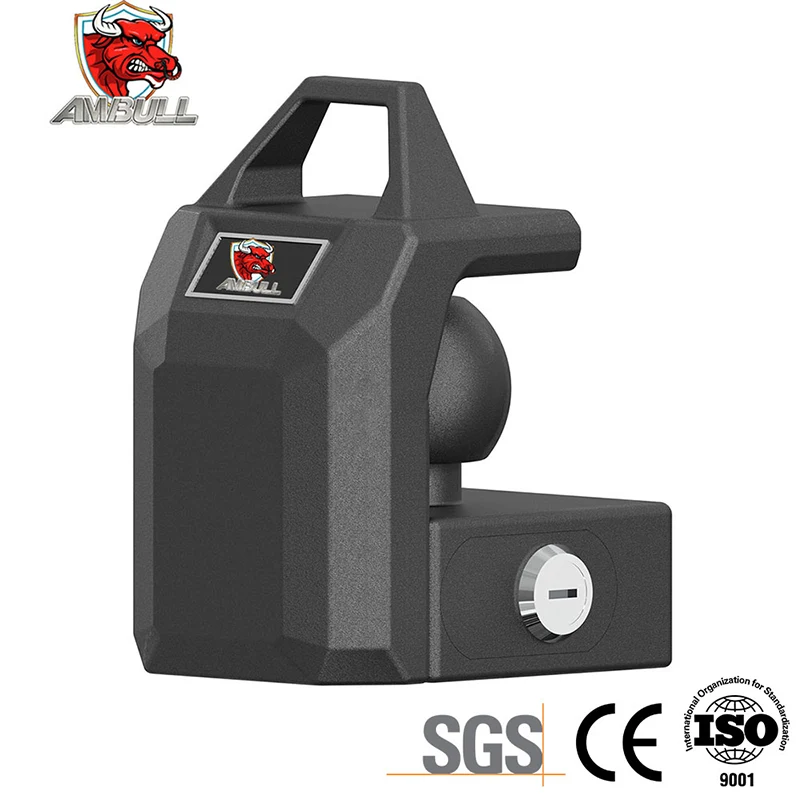
1. Why Is a Trailer Lock Important?
Trailers are often parked outside homes, warehouses, job sites, loading areas, campgrounds, and roadside stops. Their mobility makes them useful, but it also creates a security challenge: a trailer that is not adequately secured may be easier to move or access than its owner expects.
A trailer lock is designed to restrict a specific point of access or movement. Depending on its design, it may secure the coupler, immobilize a wheel, lock a hitch connection, or help protect an enclosed trailer's contents. It is a practical deterrent that can make unauthorized use more difficult and more noticeable.
Reduce Theft Opportunities
A visible lock can discourage casual theft by adding an obstacle that a potential thief must overcome before moving or accessing the trailer.
Protect Equipment and Cargo
Trailers may carry tools, machinery, recreational vehicles, inventory, or other valuable goods. A suitable locking arrangement helps protect the trailer and its contents.
Support Business Continuity
For contractors and fleet operators, a stolen or unavailable trailer can interrupt deliveries, delay projects, and create unexpected replacement expenses.
Improve Parking Confidence
When a trailer must remain unattended, an appropriate lock provides an additional security measure alongside careful parking and secure storage.
2. What Types of Trailer Locks Are Available?
Trailer locks differ according to the point they secure, their construction, and the trailer application they are designed to support. Understanding these differences helps you avoid buying a product that looks suitable but does not fit your hardware.
Coupler Locks
A coupler lock fits over or through the trailer coupler to restrict its connection to a towing vehicle. It is particularly useful when a trailer is detached and parked.
Best for: Utility trailers, boat trailers, and many conventional towing trailers, provided the lock matches the coupler design.
Wheel Locks
Wheel locks attach to or around a wheel to make rolling the trailer more difficult. Their visible presence can also help deter unauthorized movement.
Best for: Trailers stored for extended periods or parked in locations where wheel-level immobilization is practical.
Hitch and Receiver Locks
These locks secure compatible hitch components or receiver connections. They can help prevent unauthorized removal of certain towing accessories or discourage tampering with a hitch assembly.
Best for: Compatible towing setups where the receiver, hitch pin, or related connection needs protection.
Cable Locks
A cable lock uses a flexible cable and locking mechanism to connect suitable objects or secure selected equipment. Its flexibility makes it convenient, although protection depends heavily on cable construction and intended use.
Best for: Supplemental security for accessories and equipment that can be safely secured to a suitable anchor.
Trailer Door Locks
Door locks secure access points on enclosed trailers. Depending on the door hardware, they may use a locking handle, hasp, padlock, or a purpose-built locking assembly.
Best for: Enclosed cargo trailers, mobile workshops, and trailers that store tools or merchandise.
Kingpin and Specialized Locks
Some commercial trailers use specialized locking devices designed around their coupling or connection systems. Compatibility with the exact equipment configuration is essential.
Best for: Appropriate commercial and heavy-duty trailer applications with matching hardware.
Trailer Lock Comparison
| Lock Type | Primary Purpose | Key Buying Consideration | Common Limitation |
|---|---|---|---|
| Coupler lock | Restricts access to the trailer coupler | Coupler shape, dimensions, and latch design | Does not independently secure every part of the trailer |
| Wheel lock | Discourages wheel rotation or movement | Wheel and tire dimensions, clearance, and mounting method | May be unsuitable for certain wheel designs or parking conditions |
| Hitch lock | Secures compatible hitch connections | Pin diameter, receiver size, and hardware compatibility | Protects only the components covered by its design |
| Cable lock | Provides flexible supplemental restraint | Cable material, thickness, length, and locking mechanism | Security varies considerably between models |
| Door lock | Restricts access to enclosed cargo | Door construction, latch geometry, and mounting points | May not prevent forced entry through other parts of the trailer |
The descriptions above are general guidance. Always confirm the product's stated application, dimensions, and installation requirements before purchase.
3. What Features Should You Look for in a Trailer Lock?
A reliable trailer lock should match the equipment, environment, and level of protection required. A product with an impressive appearance is not necessarily the right choice if it fits poorly, corrodes easily, or becomes difficult to operate after regular outdoor exposure.
Material Strength and Construction
Examine the lock body, locking pin, shackle, cable, and other load-bearing components. Depending on the design, steel and other engineered metals may offer useful strength and durability. Material choice alone, however, does not establish the security level of the complete assembly. Construction quality, dimensions, manufacturing consistency, and the locking mechanism also matter.
Weather and Corrosion Resistance
Outdoor locks can be exposed to rain, humidity, dust, road spray, salt, and temperature changes. Protective coatings and corrosion-resistant materials may improve service life, but performance depends on the entire product and its environment. Boat trailers and trailers used in coastal regions may require particular attention to salt exposure.
Locking Mechanism and Key Management
The mechanism should engage consistently and release without excessive force when operated correctly. Consider key control, the availability of replacement keys, and whether the lock uses a keyed cylinder or another locking method. For a fleet, a planned key-management system can reduce delays and confusion.
Fit and Ease of Installation
A lock that does not fit properly can be difficult to install or may leave important parts exposed. Check the manufacturer's dimensions, compatible coupler or hitch types, clearance requirements, and instructions. A snug, intended fit is more important than choosing a product based on appearance alone.
Useful Product Documentation
Look for clear instructions, accurate specifications, maintenance guidance, warranty terms, and accessible customer support. Independent test information or clearly defined security ratings can help with comparisons when the standards and testing methods are explained. Avoid assuming that vague claims such as “heavy duty” guarantee a particular level of resistance.
| Feature | Why It Matters | What to Verify |
|---|---|---|
| Robust construction | Supports dependable everyday use | Materials, component design, and product specifications |
| Corrosion protection | Helps manage outdoor exposure | Finish, material details, and care recommendations |
| Compatible dimensions | Ensures the lock works with existing hardware | Measurements and approved trailer or hitch types |
| Practical operation | Reduces daily locking and unlocking frustration | Key access, clearance, and operating instructions |
| Support and warranty | Makes product ownership easier to manage | Warranty scope, replacement parts, and support availability |
4. How Can You Choose the Right Trailer Lock?
The best choice starts with the trailer and the real conditions in which it will be used. A compact utility trailer stored inside a locked garage has different requirements from a commercial cargo trailer left at a busy work site overnight.
-
Identify the trailer type.
Determine whether you have an open utility trailer, enclosed cargo trailer, boat trailer, equipment trailer, or commercial trailer. Identify the coupler, hitch, wheels, doors, and other relevant hardware. -
Measure the intended locking point.
Record the relevant dimensions and compare them with the manufacturer's fit guide. Do not rely on a product photograph or assume that similarly named couplers use identical dimensions. -
Assess the parking environment.
Consider whether the trailer is stored indoors or outdoors, exposed to salt or heavy rain, or regularly moved between job sites. These factors influence material, maintenance, and convenience requirements. -
Decide what needs protection.
If the main concern is unauthorized towing, a suitable coupler or wheel lock may be appropriate. If valuable items remain inside an enclosed trailer, evaluate its door locking hardware as well. -
Compare construction and documentation.
Review materials, mechanism design, dimensions, operating instructions, warranty conditions, and any substantiated security testing. Compare products on verifiable details rather than marketing language alone. -
Plan for daily use.
Think about how often the lock will be used, who needs access, how keys will be managed, and whether installation is practical in the available space.
5. How Should You Install and Maintain a Trailer Lock?
Correct installation and basic maintenance help preserve usability and reduce the risk of problems caused by dirt, corrosion, wear, or incorrect positioning. Always follow the instructions supplied with the particular lock, because installation methods differ between designs.
Installation Best Practices
- Inspect the locking point: Check the coupler, hitch, wheel area, or door hardware for damage, unusual wear, and obstructions.
- Confirm compatibility: Make sure the lock is designed for the relevant hardware and is within the specified dimensional range.
- Follow the supplied instructions: Position and engage the lock as directed. Do not force a mechanism that appears misaligned.
- Check engagement: Confirm that the locking mechanism has engaged fully and that the device is fitted as intended.
- Keep access clear: Ensure the lock can be operated without interference from nearby components and that it does not obstruct safe towing procedures when removed or disengaged as required.
Routine Care for Longer Service Life
Clean After Exposure
Remove accumulated dust, mud, and road residue using a method appropriate for the material and finish. After exposure to salt water or salt spray, follow the manufacturer's cleaning advice.
Inspect for Wear
Check for cracks, deformation, loose components, damaged coatings, corrosion, or a key cylinder that no longer operates normally. Replace damaged locks instead of relying on a compromised mechanism.
Use Suitable Lubrication
Lubricate the mechanism only when recommended by the manufacturer, using a product suitable for that lock. Some cylinders require specific lubricants, and unsuitable products may attract dirt or interfere with operation.
Store Keys Carefully
Keep keys in a secure, consistent location and maintain authorized spare-key arrangements where appropriate. Avoid leaving the only key somewhere inaccessible when the trailer is in use.
Maintenance frequency should reflect usage and exposure. A trailer operating every day in wet, dusty, or coastal conditions may need more frequent checks than one stored indoors. If a lock sticks, fails to engage, or shows significant damage, stop relying on it until the cause has been addressed.
6. What Trailer Lock Mistakes Should You Avoid?
Many security problems begin with simple purchasing or usage mistakes rather than a lack of equipment. A few practical checks can help you avoid these common issues.
Buying Without Measuring
Different coupler profiles, hitch connections, and wheel configurations may require different locks. Confirm dimensions and compatibility before ordering.
Choosing on Price Alone
Low purchase cost does not necessarily mean good value. Consider the expected operating environment, construction, warranty, fit, and replacement options.
Ignoring the Entire Trailer
A coupler lock does not automatically secure cargo doors or every other access point. Identify the risks relevant to your trailer and add appropriate protection where needed.
Skipping Routine Checks
Neglected mechanisms may become difficult to operate, while corrosion or physical damage can reduce reliability. Inspect the lock regularly and address problems promptly.
A Simple Trailer Security Checklist
- Use a lock designed for the trailer's actual hardware.
- Secure the trailer whenever it is left unattended, according to the lock's intended use.
- Park in a well-lit, appropriate location whenever possible.
- Secure enclosed trailer doors and valuable cargo separately where necessary.
- Keep keys controlled and inspect locks for wear or damage.
- Consider additional security measures for high-value equipment or elevated-risk locations.
7. Frequently Asked Questions About Trailer Locks
Are trailer locks universal?
No. Trailer locks are designed for specific locking points, dimensions, and hardware configurations. Always check the manufacturer's compatibility information and measure the relevant components before purchasing.
Can a trailer lock prevent all theft?
No lock can guarantee complete theft prevention. A properly selected lock can deter opportunistic theft and make unauthorized movement more difficult. Combine it with secure parking, suitable storage, and other precautions appropriate to your risk level.
Should I use more than one trailer lock?
Using different types of locks may provide additional layers of protection. For example, one device may restrict towing while another secures an enclosed cargo door. The right combination depends on the trailer design, value, and operating environment.
Can I leave a trailer lock outdoors?
Many trailer locks are intended for outdoor use, but weather resistance varies by model. Check the manufacturer's specifications, clean the lock when needed, and follow the recommended care instructions, especially after exposure to road salt or coastal conditions.
How often should I inspect a trailer lock?
Inspect it regularly, particularly before periods of extended storage, after severe weather, or when it has been exposed to dirt and salt. Trailers used frequently or in harsh environments may require more frequent checks.
What should I do if my trailer lock becomes difficult to open?
Check the manufacturer's troubleshooting guidance and inspect for visible dirt, corrosion, damage, or misalignment. Use only recommended cleaning and lubrication methods. Avoid forcing the key or mechanism, and seek qualified assistance or replacement if normal operation cannot be restored.
What information should I provide when ordering a trailer lock?
Provide the trailer type, locking-point dimensions, hardware configuration, intended operating environment, frequency of use, and any relevant model information. Clear measurements and photographs of the locking point, when requested by the supplier, can help confirm compatibility.
What makes a trailer lock a worthwhile investment?
A suitable trailer lock adds a practical layer of protection, helps discourage unauthorized access or movement, and can support more secure storage practices. Its value depends on the quality of the product, correct fit, consistent use, and the risks it is intended to address.
8. Conclusion: Small Equipment, Meaningful Protection
A trailer lock is an important part of a practical trailer security plan. By choosing the correct lock type, verifying compatibility, prioritizing dependable construction, and maintaining the mechanism properly, owners can reduce avoidable security risks and make everyday trailer management more convenient.
Start with the trailer's actual locking points and the environment in which it will be parked. Compare the product specifications carefully, avoid unsupported security claims, and consider additional protection when the trailer carries valuable cargo or remains unattended for long periods.
For individuals, contractors, and fleet operators, a well-chosen trailer lock can be a straightforward step toward protecting equipment and supporting more confident operations.
Choose Reliable Trailer Security with AMBULL
Finding the right trailer lock starts with understanding your trailer, your locking requirements, and your day-to-day operating conditions. AMBULL is committed to helping customers explore practical trailer security solutions for their needs.
Whether you are sourcing locks for personal use, equipment transport, or commercial applications, visit the AMBULL official website to learn more about the brand and its product offerings.
Need help identifying a suitable solution or confirming product compatibility? Contact us to discuss your requirements, request product information, and explore the trailer security options that best match your application.
Visit AMBULL →