

What Makes Classic Seat Belts Still Essential in Modern Automotive Safety Systems?
2026-05-21
Classic seat belts have remained one of the most reliable and widely used safety components in automotive history. Even with rapid advancements in airbag systems, smart driving assistance, and collision avoidance technologies, the fundamental role of seat belts has never been replaced. The keyword Classic Seat Belts represents not only traditional restraint systems but also a benchmark of safety engineering that continues to evolve while maintaining its original purpose—protecting lives during sudden deceleration or collision.
In today's automotive and industrial transportation markets, manufacturers and suppliers such as Wuxi Chuanghecheng Metal Technology Co., Ltd. continue to improve material strength, durability, and comfort of seat belt systems while preserving the classic structural design that has proven effective for decades.
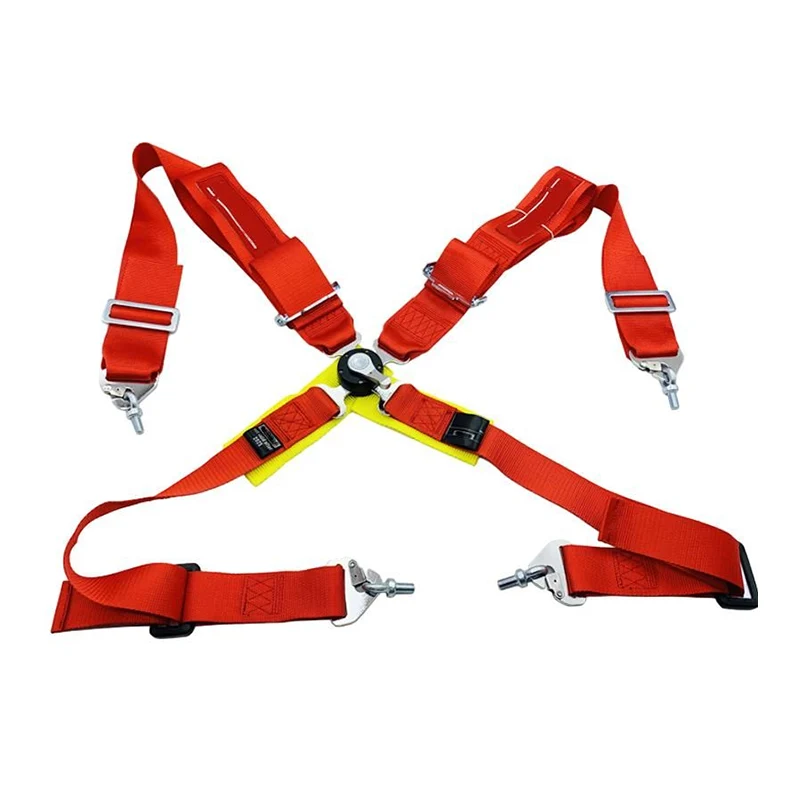
The Core Function of Classic Seat Belts
The primary function of Classic Seat Belts is to restrain occupants and reduce the risk of injury during accidents. By distributing impact forces across the stronger parts of the human body—chest, pelvis, and shoulders—seat belts significantly reduce fatality rates.
Key functions include:
- Preventing ejection from the vehicle during collisions
- Reducing impact force on internal organs
- Working in synergy with airbags for maximum protection
- Stabilizing passengers during sudden braking or turning
Classic vs Modern Seat Belt Systems
Although modern systems include pretensioners and load limiters, Classic Seat Belts still serve as the foundation of all restraint technologies.
| Feature | Classic Seat Belts | Modern Smart Seat Belts |
|---|---|---|
| Structure | Mechanical webbing system | Integrated sensors + mechanical system |
| Maintenance | Low and simple | Higher complexity |
| Cost | More economical | Higher cost |
| Reliability | Extremely stable | High but system-dependent |
| Usage Scope | Wide industrial & automotive use | Premium vehicles |
This comparison highlights that Classic Seat Belts remain highly competitive due to their simplicity, durability, and cost-effectiveness.
Materials and Manufacturing Standards
High-quality seat belts require precision engineering and strong material selection. Typically, Classic Seat Belts are made from:
- High-tensile polyester webbing
- Reinforced metal buckles
- Durable locking retractors
- Corrosion-resistant alloy components
Manufacturers like Wuxi Chuanghecheng Metal Technology Co., Ltd. focus on improving weaving density, tensile strength, and fatigue resistance to ensure long-term safety performance even under extreme conditions.
Why Classic Seat Belts Still Matter
Despite technological advancements, Classic Seat Belts continue to dominate due to their unmatched reliability and universal compatibility. They are widely used in:
- Passenger vehicles
- Commercial trucks
- Industrial machinery
- Agricultural vehicles
- Special-purpose transport systems
Their importance lies in their ability to function independently without relying on electronic systems, making them ideal for harsh environments or low-maintenance applications.
Advantages of Classic Seat Belts
- High durability: Resistant to wear and environmental stress
- Cost-efficient: Affordable for mass production and replacement
- Universal design: Compatible with most vehicle structures
- Low failure rate: Mechanical simplicity ensures stable performance
- Easy maintenance: Minimal servicing requirements
These advantages explain why Classic Seat Belts remain a global standard in safety restraint systems.
Application Scenarios
Classic seat belts are not limited to passenger cars. Their usage extends to multiple industries:
- Automotive Industry – standard safety installation in all vehicle types
- Heavy Machinery – forklifts, loaders, and construction equipment
- Public Transport – buses and coaches for passenger safety
- Industrial Vehicles – factory transport and logistics vehicles
Each application demands high reliability, which reinforces the importance of choosing a trusted manufacturer like Wuxi Chuanghecheng Metal Technology Co., Ltd.
Safety Performance and Real-World Impact
Studies consistently show that seat belts reduce the risk of serious injury by up to 50% in frontal collisions. Classic systems achieve this through:
- Immediate locking mechanism during sudden deceleration
- Energy absorption through controlled webbing extension
- Secure anchoring points that distribute force evenly
This proven performance demonstrates why Classic Seat Belts continue to be a cornerstone of automotive safety regulations worldwide.
Future Development Trends
While retaining their classic structure, seat belt systems are evolving in several directions:
- Enhanced webbing materials with higher tensile strength
- Improved ergonomic designs for passenger comfort
- Integration with vehicle safety sensors
- Lightweight alloy buckle systems
Even in future smart vehicles, the foundation will still rely on the proven design of Classic Seat Belts.
Conclusion
Classic Seat Belts remain one of the most important safety inventions in transportation history. Their simplicity, reliability, and proven effectiveness ensure they continue to play a vital role across automotive and industrial sectors. With continuous innovation from manufacturers such as Wuxi Chuanghecheng Metal Technology Co., Ltd., these systems are becoming even more durable and efficient while preserving their essential protective function.
If you are looking for high-quality Classic Seat Belts or customized safety restraint solutions, please feel free to contact us for more product details, technical support, and professional cooperation opportunities.