

Why Automotive Seat Belts Are Important for Modern Vehicle Safety
2026-09-03
Automotive seat belts are one of the most essential passive safety components installed in vehicles. Although they appear simple in structure, modern seat belts combine advanced engineering, material science, precision manufacturing, and strict safety testing to protect passengers during sudden braking, collisions, and unexpected road conditions.
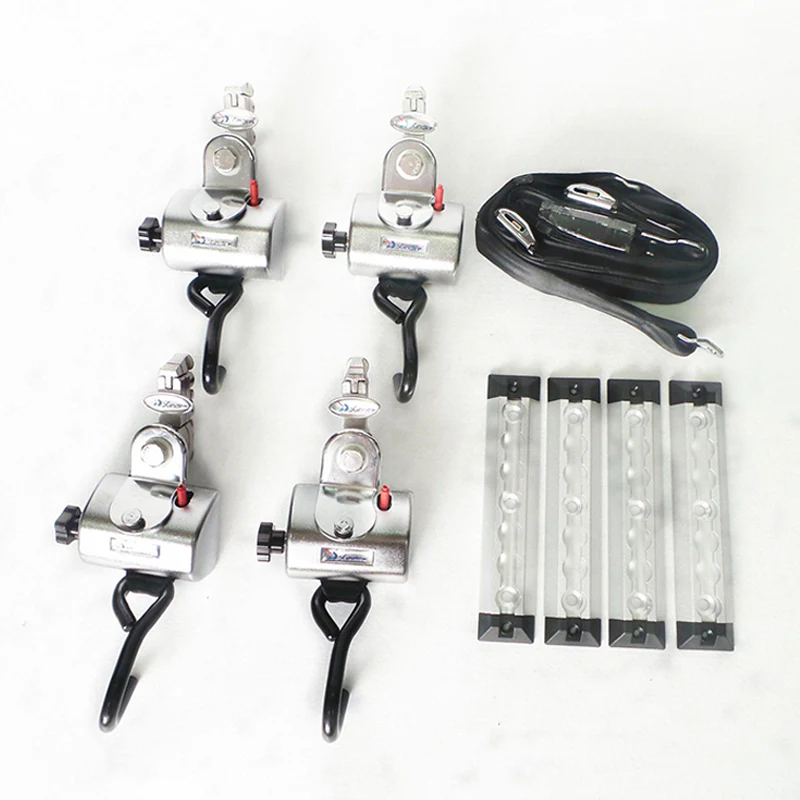
With increasing demands for vehicle safety, manufacturers are focusing on improving seat belt strength, comfort, durability, and adaptability. A high-quality automotive seat belt must provide reliable restraint performance while allowing passengers to enjoy a comfortable driving experience.
Chuanghecheng specializes in developing and manufacturing dependable automotive seat belt solutions that meet the needs of vehicle manufacturers and automotive suppliers. By combining advanced production technology with strict quality management, the company provides safety components designed for long-term performance and reliability.
Key Components of an Automotive Seat Belt System
A complete automotive seat belt system contains multiple parts that work together to provide effective occupant protection. Understanding these components helps vehicle manufacturers select suitable safety solutions for different applications.
| Component | Main Function | Importance |
|---|---|---|
| Webbing Belt | Provides the main restraint force during impact situations | Requires excellent tensile strength, abrasion resistance, and durability |
| Buckle Assembly | Allows passengers to fasten and release the seat belt securely | Ensures convenient operation and reliable locking performance |
| Retractor | Controls belt extension and automatically locks during sudden movement | Improves passenger protection and wearing comfort |
| Anchor System | Connects the seat belt to the vehicle structure | Maintains stability during high-force collisions |
| Load Limiter | Controls belt force applied to occupants | Helps reduce injury risks caused by excessive restraint pressure |
How Do Automotive Seat Belts Work?
Automotive seat belts work by controlling passenger movement when a vehicle experiences sudden deceleration. During normal driving conditions, the belt allows comfortable movement while keeping occupants securely positioned.
When a collision or emergency braking event occurs, the retractor detects rapid movement and activates the locking mechanism. The belt then tightens and prevents the passenger from moving forward violently. This process helps distribute impact forces across stronger areas of the human body, reducing the possibility of severe injuries.
Modern automotive seat belts may include additional technologies such as pretensioners and electronic control systems. These features improve response speed and provide enhanced protection in advanced vehicle safety systems.
- Normal driving: The belt provides flexibility and passenger comfort.
- Sudden braking: The locking mechanism prevents excessive forward movement.
- Collision situation: The restraint system helps absorb and distribute impact energy.
- Post-impact protection: The belt keeps occupants positioned for additional safety systems.
Why Does Automotive Seat Belt Quality Matter?
The quality of an automotive seat belt directly affects passenger safety. Unlike many vehicle components that mainly influence comfort or appearance, seat belts are critical safety devices that must perform reliably under extreme conditions.
Low-quality seat belts may experience problems such as weak stitching, poor locking performance, material degradation, or insufficient strength. These issues can significantly reduce protection effectiveness during emergencies.
| Potential Problem | Possible Cause | Impact on Vehicle Safety |
|---|---|---|
| Belt Material Damage | Low-grade fabric or insufficient durability testing | Reduced restraint capability |
| Buckle Failure | Poor manufacturing precision | Difficulty securing passengers properly |
| Retractor Malfunction | Weak internal mechanism design | Delayed locking response during accidents |
| Incorrect Installation | Lack of professional assembly control | Reduced overall protection performance |
How to Choose the Right Automotive Seat Belt Supplier?
Selecting the right automotive seat belt supplier is an important decision for vehicle manufacturers, automotive distributors, and aftermarket companies. A reliable supplier should provide not only products but also technical support, manufacturing consistency, and quality assurance.
When evaluating suppliers, consider the following factors:
- Manufacturing experience: Experienced manufacturers understand automotive safety requirements and production challenges.
- Material quality: Premium webbing materials and durable components improve product lifespan.
- Testing capability: Professional testing procedures ensure stable performance.
- Customization options: Different vehicle models may require specific designs and configurations.
- Production reliability: Stable supply capability helps customers maintain efficient vehicle production.
Chuanghecheng focuses on delivering automotive seat belt products that balance safety performance, manufacturing efficiency, and customer requirements. Through continuous improvement in production processes, the company supports partners looking for dependable automotive safety solutions.
Benefits of Using Advanced Automotive Seat Belts
Advanced automotive seat belts provide multiple benefits for vehicle manufacturers and end users. They are designed not only for accident protection but also for improved usability and long-term reliability.
- Enhanced passenger protection during collisions.
- Improved comfort for daily driving conditions.
- Long service life with durable materials.
- Better compatibility with modern vehicle safety systems.
- Reduced maintenance requirements.
- Improved customer confidence in vehicle quality.
Future Development Trends of Automotive Seat Belts
The automotive industry continues to evolve with intelligent driving technology and advanced safety systems. Automotive seat belts are also developing toward smarter and more integrated solutions.
Future seat belt technologies may include intelligent sensors, adaptive restraint systems, and deeper integration with vehicle electronic control units. These improvements allow the restraint system to respond more accurately according to driving conditions and passenger status.
As vehicles become safer and more technologically advanced, automotive seat belts will continue to play an important role as a fundamental safety component.
How to Maintain Automotive Seat Belts for Long-Term Performance?
Although automotive seat belts are designed for long-term use, regular inspection and proper maintenance are still necessary to ensure reliable safety performance. Since seat belts are exposed to daily pulling, friction, sunlight, dust, and temperature changes, their condition should be checked periodically.
Vehicle owners, fleet operators, and automotive service providers should pay attention to several key maintenance points. Early detection of potential problems can help prevent safety risks and extend the service life of the restraint system.
- Check belt webbing condition: Inspect the belt surface regularly for cuts, fraying, discoloration, or signs of excessive wear.
- Test buckle operation: Make sure the buckle locks firmly and releases smoothly without sticking.
- Inspect retractor performance: Confirm that the belt extends and retracts normally and locks properly during sudden pulling.
- Avoid chemical damage: Keep cleaning chemicals, oils, and corrosive substances away from seat belt materials.
- Replace damaged components: Any seat belt involved in a serious collision should be professionally inspected and replaced if necessary.
What Is the Manufacturing Process of Automotive Seat Belts?
The manufacturing process of automotive seat belts requires precise engineering and strict quality control. Every stage, from material selection to final inspection, affects the final safety performance of the product.
| Manufacturing Stage | Description | Quality Focus |
|---|---|---|
| Material Selection | High-strength fibers are selected for producing durable webbing materials | Tensile strength and resistance to environmental conditions |
| Webbing Production | Fibers are woven into belts with controlled thickness and structure | Consistency and durability |
| Component Assembly | Buckles, retractors, anchors, and other parts are assembled together | Mechanical accuracy and reliability |
| Performance Testing | Finished products undergo safety and functional inspections | Stable operation under different conditions |
| Final Quality Inspection | Products are checked before delivery to customers | Product consistency and customer satisfaction |
Professional manufacturers such as Chuanghecheng pay close attention to every production stage to ensure that automotive seat belts meet practical application requirements. A controlled manufacturing process helps reduce defects and improves reliability for automotive partners.
Automotive Seat Belts Compared with Other Vehicle Safety Systems
Automotive seat belts work together with airbags, electronic stability systems, and other safety technologies. However, seat belts remain one of the first safety systems activated during many accident situations.
| Safety System | Main Purpose | Relationship with Seat Belts |
|---|---|---|
| Automotive Seat Belt | Restrains passengers and controls body movement | Provides the primary occupant restraint function |
| Airbag System | Provides additional cushioning during collisions | Works more effectively when occupants are properly restrained |
| Electronic Stability Control | Helps maintain vehicle control | May reduce accident probability but cannot replace seat belts |
| Advanced Driver Assistance Systems | Supports safer driving decisions | Improves prevention but does not replace physical protection |
Common Customer Concerns When Purchasing Automotive Seat Belts
Customers purchasing automotive seat belts often have concerns about safety standards, product reliability, delivery capability, and customization. Understanding these concerns helps buyers make better decisions.
-
Concern: Will the seat belt provide reliable protection?
Solution: Choose products manufactured with durable materials, precise components, and strict inspection procedures. -
Concern: Can the product fit different vehicle models?
Solution: Work with suppliers that provide customized configurations according to vehicle requirements. -
Concern: Will the supplier maintain stable production?
Solution: Select manufacturers with professional production systems and consistent quality management. -
Concern: How can product lifespan be improved?
Solution: Use high-quality materials and follow correct installation and maintenance procedures.
FAQ About Automotive Seat Belts
Q1: What is the main function of an automotive seat belt?
The main function of an automotive seat belt is to secure vehicle occupants and reduce excessive movement during sudden braking or collisions. It helps distribute impact forces and improves passenger protection.
Q2: How long can an automotive seat belt usually last?
The service life of an automotive seat belt depends on usage conditions, vehicle environment, and product quality. Regular inspection is recommended to identify wear, damage, or performance issues.
Q3: Can automotive seat belts be customized for different vehicles?
Yes. Professional manufacturers can provide customized seat belt solutions based on vehicle structure, installation requirements, and customer specifications.
Q4: Why is high-quality webbing important for seat belts?
The webbing carries the main restraint force during emergency situations. High-quality webbing provides better tensile strength, durability, and resistance to long-term wear.
Q5: How should companies choose an automotive seat belt manufacturer?
Companies should evaluate manufacturing experience, quality control systems, customization capability, production capacity, and after-sales support when selecting a supplier.
Conclusion: Choosing Reliable Automotive Seat Belt Solutions
Automotive seat belts remain a fundamental part of vehicle safety systems. Their performance directly influences passenger protection, driving confidence, and overall vehicle quality. From strong webbing materials to precision-engineered retractors and buckles, every component contributes to safer transportation.
For automotive manufacturers, distributors, and businesses seeking dependable safety solutions, selecting an experienced supplier is essential. Chuanghecheng provides professionally manufactured automotive seat belt solutions designed to meet modern vehicle requirements with reliable performance and consistent quality.
If you are looking for durable automotive seat belts, customized solutions, or professional support for your vehicle safety projects, contact us today. Chuanghecheng is ready to provide reliable products and effective solutions to meet your automotive safety needs.