

Why Does an Explosion Proof Signal Light Matter More Than You Think?
2025-12-23
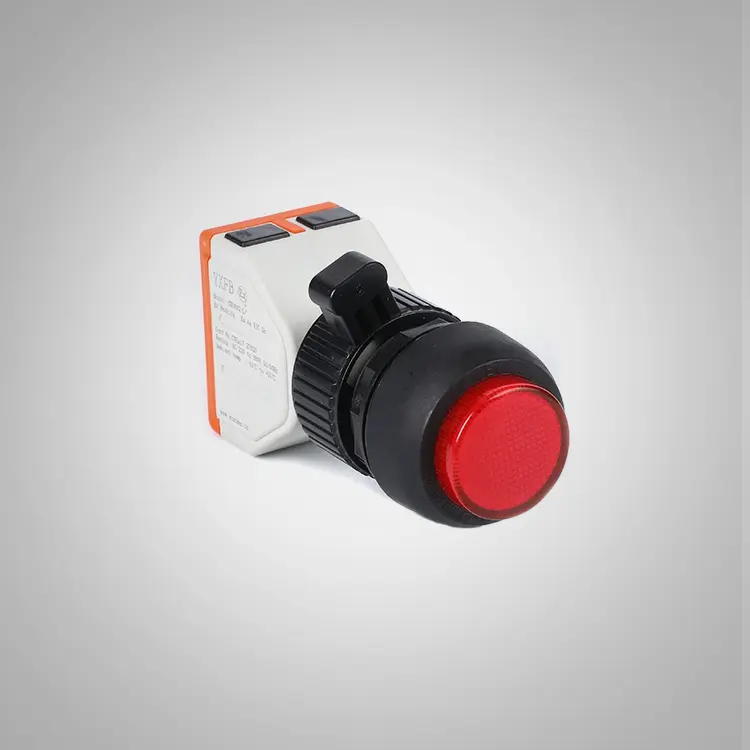
I’ve learned the hard way that warning lights aren’t “nice to have” in hazardous areas—they’re the difference between smooth operations and near-misses. That’s exactly why I started paying attention to how Yuxuan builds its solutions and why I now recommend choosing an Explosion Proof Signal Light that’s engineered for real industrial conditions.
What Problems Do I See Most Often With Ordinary Signal Lights?
When someone tells me “a light is a light,” I usually ask where they’re installing it. In chemical plants, refineries, offshore platforms, paint shops, or grain processing sites, a standard light can become a weak link fast. Here’s what I run into most:
- Visibility gaps because the lens yellows, the beam scatters, or the light isn’t bright enough through dust and vapor.
- Frequent downtime caused by moisture ingress, corrosion, or loose wiring after vibration.
- Unsafe improvisation when teams swap parts on-site without knowing the impact on compliance.
- Mismatch with control systems leading to false alarms or delayed signaling.
- Audit stress when documentation and markings don’t match the actual installation conditions.
These are exactly the moments where a properly selected Explosion Proof Signal Light pays for itself—not because it’s fancy, but because it keeps signaling reliably when conditions get ugly.
What Makes An Explosion Proof Signal Light Truly Explosion-Proof?
I focus on one principle: the light must not become an ignition source. That means the design should control heat, sparks, and electrical faults, while the enclosure and joints are built to withstand and contain abnormal events. In practice, I look for a few practical indicators:
- Rugged enclosure design that holds up under corrosion, impact, and vibration.
- Stable sealing approach so water, dust, and chemical mist don’t creep into the internals.
- Electrical protection choices that align with your voltage, wiring method, and switching frequency.
- Clear markings and traceability so your site team can verify what’s installed and why it’s suitable.
When I review product options from Yuxuan, I’m not just checking “explosion-proof” as a label. I’m checking whether the Explosion Proof Signal Light is built for the same abuse your site will throw at it day after day.
Where Do I See The Biggest ROI From Upgrading A Signal Light?
If you’re trying to justify a better Explosion Proof Signal Light, I’d start with the use cases that amplify risk and cost:
- Emergency shutdown and evacuation routes where visibility must be instant and unambiguous.
- Process status indication in loud areas where audible alarms get ignored or lost.
- Forklift and vehicle crossings where reaction time matters and lighting conditions vary.
- Remote skids and outdoor tanks where maintenance is expensive and weather is relentless.
- Dust-heavy environments where lens clarity and sealing quality decide whether anyone notices the signal.
In these scenarios, a reliable Explosion Proof Signal Light helps reduce stoppages, prevent confusion during abnormal events, and keep teams aligned without shouting over machines.
How Do I Evaluate Models Before I Buy?
I use a simple, field-friendly checklist. It keeps me from getting distracted by marketing buzzwords and helps me choose a Explosion Proof Signal Light that actually matches the site.
- What hazard area am I dealing with? I match the selection to the real zone and material risks, not a guess.
- How will people see it? I consider sightline, distance, ambient light, dust, fog, and obstructions.
- What is the control logic? I confirm voltage, wiring method, and how often it’s switched.
- What’s the maintenance reality? I prefer options that reduce frequent opening and re-sealing.
- What environment will attack it? Salt spray, chemical vapor, temperature swings, and vibration change everything.
If you’re sourcing from Yuxuan, I’d recommend sharing these details up front. It speeds up selection and helps ensure the Explosion Proof Signal Light fits your site instead of forcing your site to adapt to the light.
Which Specs Should I Compare Side By Side?
When teams compare options, I like to put the decision points into a simple table. It makes gaps obvious and keeps procurement, maintenance, and EHS speaking the same language.
| What I Compare | Why It Matters To Me | What I Ask Internally |
| Light output and visibility | People must notice it quickly in dust, glare, or distance | Can operators see it from the actual working position? |
| Lens material and durability | Lens clarity affects recognition over time | Will chemicals, UV, or cleaning routines haze the lens? |
| Ingress protection and sealing | Moisture and dust drive failures and false alarms | How often will it face washdowns or storms? |
| Operating temperature range | Cold starts and heat soak can reduce lifespan | What’s the worst-case ambient plus equipment heat? |
| Mounting and cable entry | Bad mounting creates vibration damage and loose wiring | Do we need wall, pole, bracket, or custom orientation? |
| Serviceability | Maintenance time is cost and risk in hazardous zones | Can we minimize opening the enclosure on-site? |
| Documentation and traceability | Audits and safety reviews depend on clear proof | Do markings and paperwork match our installation record? |
Once I’ve aligned these points, it becomes much easier to choose the right Explosion Proof Signal Light without second-guessing later.
How Do I Install And Maintain One Without Creating New Risks?
I treat installation as part of the product’s safety performance. Even a great Explosion Proof Signal Light can be undermined by rushed work or mismatched accessories. Here’s how I keep it clean and safe:
- I verify the mounting surface so vibration doesn’t loosen the fixture over time.
- I plan cable routing to reduce strain, sharp bends, and accidental pulls during maintenance.
- I keep sealing surfaces protected because dust and nicks can ruin long-term sealing.
- I standardize inspection intervals based on the environment rather than a generic schedule.
- I document the configuration so the next technician doesn’t have to guess what’s correct.
If you’re installing in harsh outdoor conditions, I usually suggest choosing a Explosion Proof Signal Light with durability and sealing as top priorities, even before you worry about cosmetic design.
What Questions Do Buyers Ask Me Most?
-
Do I really need an Explosion Proof Signal Light if the area is only occasionally hazardous?
If the risk exists under credible operating conditions, I plan for it instead of hoping timing will save me. -
How do I avoid buying a model that looks right but fails early?
I focus on environment fit, sealing, mounting stability, and visibility in your real working line of sight. -
Is brightness the only visibility factor?
Not in my experience. Lens clarity, beam pattern, mounting angle, and dust or vapor matter just as much. -
What information should I send a supplier like Yuxuan to get the right recommendation?
I share hazard area context, voltage/control method, installation location, environment challenges, and visibility distance. -
How can I reduce maintenance risk in hazardous locations?
I try to standardize models, minimize enclosure openings, and keep clear documentation for safe servicing.
What Should You Do Next If You’re Sourcing?
If you’re upgrading a site or specifying for a new project, I’d rather you choose a dependable Explosion Proof Signal Light once than replace an underbuilt option repeatedly. Share your application details and constraints early, and you’ll get a recommendation that matches your environment instead of forcing compromises later.
If you want help selecting the right configuration, reach out to Yuxuan with your site conditions and installation plan and contact us for a fast, practical recommendation and quotation.